5 Essential Stretches for Better Mobility, Injury Prevention & Everyday Wellness
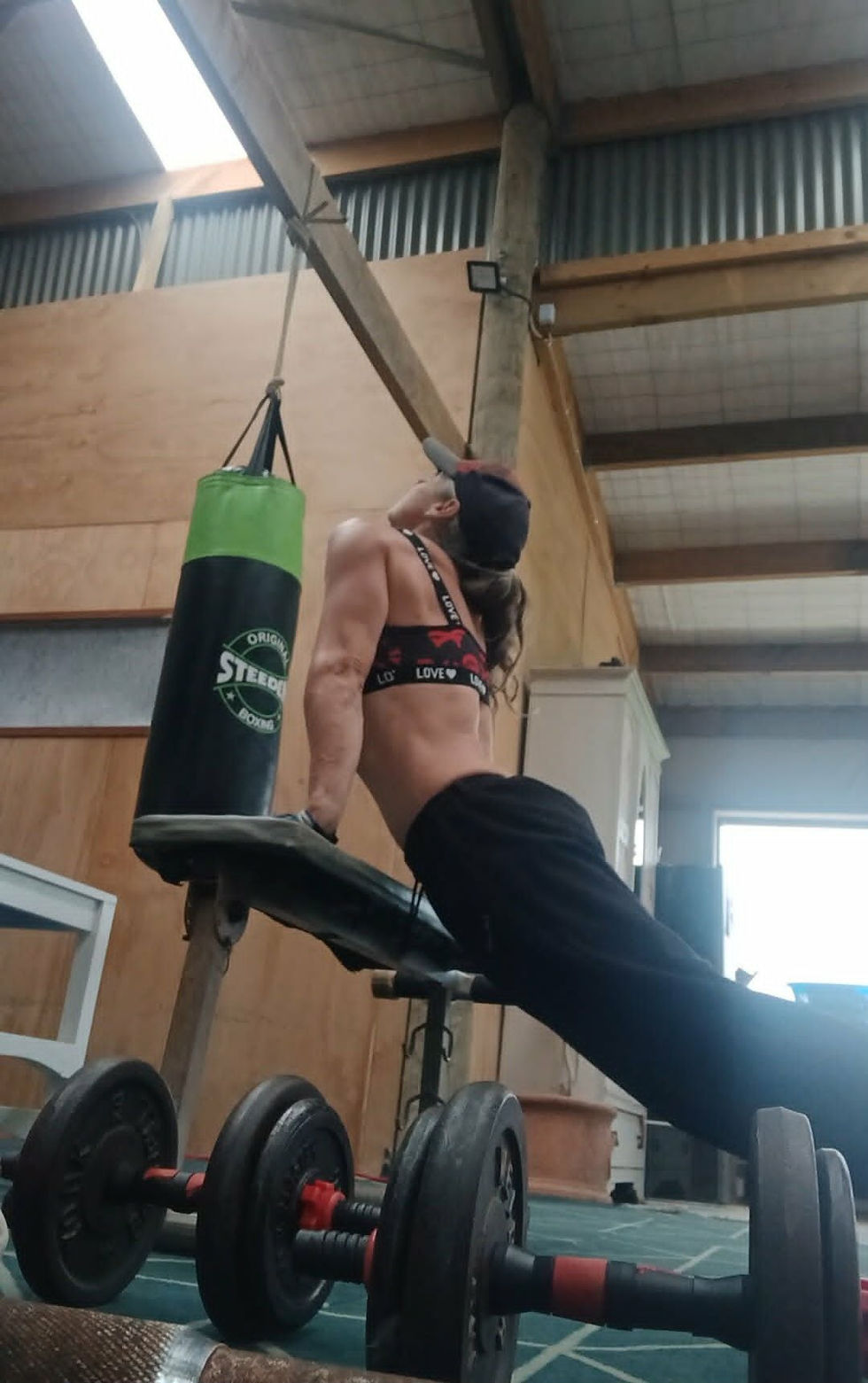
If there is one part of a wellbeing routine that many people overlook, it is mobility work and stretching.
Stretching may not feel as productive as completing a demanding workout, but it can help maintain flexibility, ease feelings of stiffness and improve awareness of how your body is moving.
Whether you train regularly, are returning to exercise or simply want to move more comfortably throughout the day, a few intentional stretches can become a valuable part of your routine.
Stretching alone cannot prevent every injury, and it shouldn’t replace appropriate strength training, recovery or professional treatment. However, when used as part of a balanced movement programme, it can support joint mobility, movement quality and overall physical wellbeing.
Before You Begin
Static stretches are generally best performed after training, later in the day or once the body is warm.
Before a workout, use dynamic movements that gently take the joints through their range of motion. Longer static holds immediately before explosive or heavy exercise may temporarily reduce performance in the muscles being stretched.
When stretching:
Move slowly and avoid bouncing
Stretch to the point of gentle tension, not pain
Keep breathing rather than holding your breath
Allow the muscles to gradually relax
Work within the range available to your body today
Stop if you experience sharp pain, numbness, tingling or dizziness
Stretching should feel controlled and supportive—not forced.
Here are five foundational stretches to help you move with greater ease.
1. Half-Kneeling Hip Flexor Stretch
Long periods of sitting, driving and working at a desk can leave the front of the hips feeling stiff.
The hip flexors help lift the legs and stabilise the pelvis. Giving them regular movement can make walking, lunging and extending the hips feel more comfortable.
How to do it
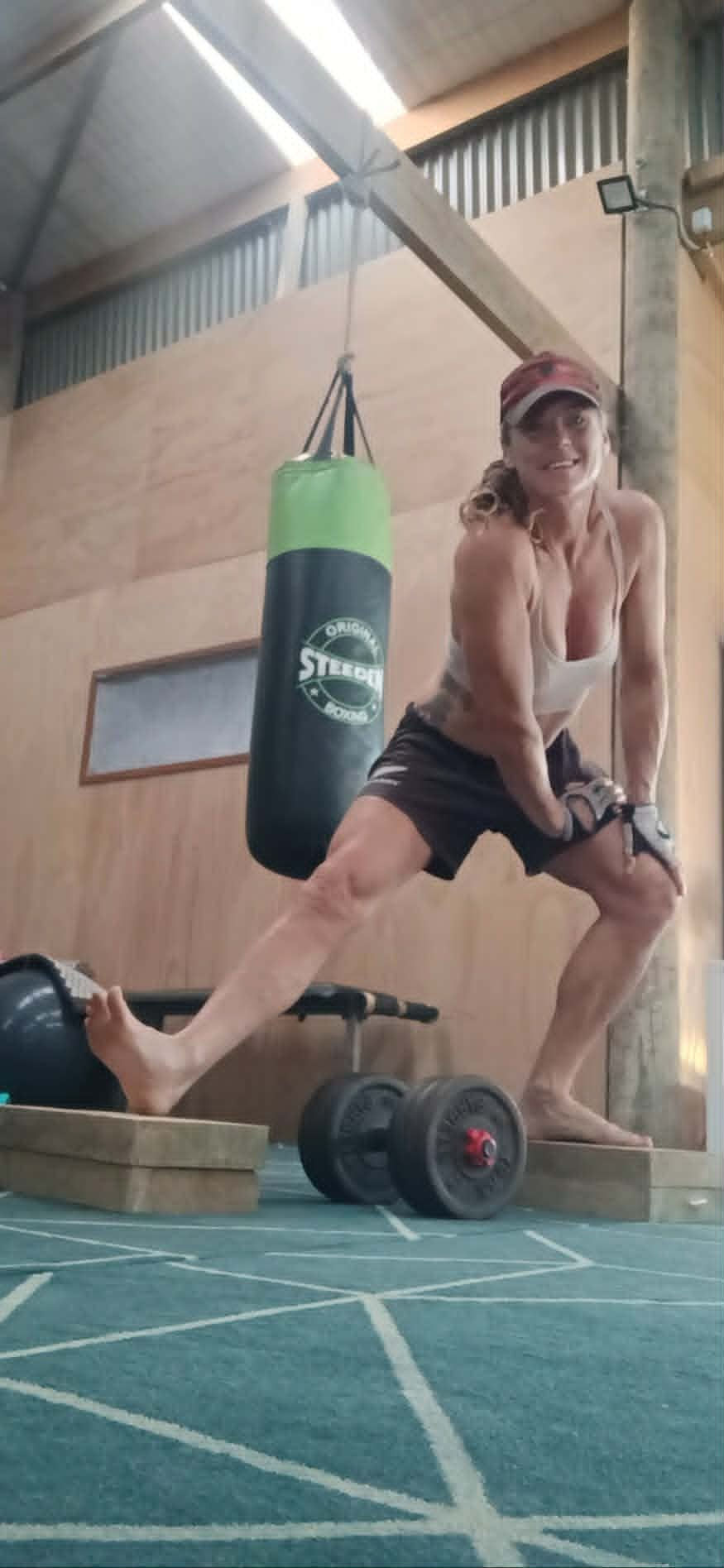
Begin in a half-kneeling position with one foot in front and the opposite knee on a padded surface.
Keep your torso upright and gently tuck your pelvis, as though bringing your belt buckle slightly towards your ribs.
Slowly shift your body forward until you feel a stretch through the front of the hip on the kneeling side.
Avoid excessively arching your lower back.
Hold for 20–30 seconds, then change sides.
Why it matters
Maintaining mobility through the front of the hips may support more comfortable walking, standing and lower-body movement. It can also help reduce the feeling of stiffness that develops after prolonged sitting.

2. Standing Chest and Shoulder Opener
Phones, computers, driving and repetitive work can all contribute to tension across the chest and shoulders.
This stretch opens the front of the upper body and encourages you to move out of a rounded position.
How to do it
Stand tall with your feet approximately hip-width apart.
Bring your hands behind your back and gently clasp them. If your hands don’t comfortably meet, hold a towel or strap between them.
Draw your shoulders gently back and down.
Lift through your chest without flaring your ribs or excessively arching your back.
Hold for 20–30 seconds while taking slow, relaxed breaths.
Why it matters
Stretching the chest and front of the shoulders may ease feelings of tightness and support a more open upper-body position.
Lasting postural change also requires regular movement and strength through the back, shoulders and trunk—it cannot be achieved through stretching alone.
3. Seated Hamstring Stretch
The hamstrings run along the back of the thighs and contribute to movement at both the hips and knees.
They can feel tight after training, prolonged sitting or activities involving repetitive bending and running.
How to do it
Sit with one leg extended and the other leg comfortably bent.
Sit tall and gently hinge forward from your hips.
Reach towards your thigh, shin or foot—wherever you can reach without rounding or forcing your spine.
Keep a slight bend in the extended knee if needed.
Hold for 20–30 seconds, then change sides.
Why it matters
Maintaining hamstring flexibility can support everyday movements such as bending, walking and reaching towards the ground.
Avoid treating touching your toes as a test you must pass. The goal is to create a gentle stretch through the back of the thigh while remaining in control.
4. Cat–Cow Spinal Mobility Flow
Cat–Cow is a gentle movement sequence that takes the spine through flexion and extension.
It can be useful after sitting, upon waking or during an evening wind-down.
How to do it
Begin on your hands and knees, with your hands beneath your shoulders and knees beneath your hips.
As you inhale, gently lift your chest and tailbone while allowing your abdomen to move towards the floor.
As you exhale, press the floor away and slowly round your spine.
Move only within a comfortable range.
Repeat for 8–10 slow rounds, allowing your breath to guide the pace.
Why it matters
Cat–Cow encourages gentle movement through the spine and can help release the sensation of stiffness through the back, neck and shoulders.
Moving slowly with the breath can also create a calming pause and bring your attention back into your body.
5. Lying Figure-Four Glute Stretch
The gluteal muscles support the hips and contribute to walking, climbing, lifting and stabilising the lower body.
After sitting or lower-body training, the glutes and surrounding hip muscles may feel tight.
How to do it
Lie on your back with both knees bent and your feet on the floor.
Cross one ankle over the opposite thigh, creating a figure-four shape.
Keep the crossed foot gently flexed.
If comfortable, lift the supporting leg and draw it towards your chest, holding behind the thigh.
Keep your head and shoulders relaxed.
Hold for 20–30 seconds, then change sides.
Why it matters
This stretch targets the glutes and muscles around the back of the hip. It may help improve the feeling of space and movement through the hips after sitting or exercise.
If the position causes knee pain, reduce the range or skip it.
How Often Should You Stretch?
Consistency matters more than completing one long session occasionally.
You might include stretching:
After a workout
Following a walk
During breaks from prolonged sitting
As part of your evening wind-down
Whenever your body feels stiff and would benefit from gentle movement
Start with five minutes and build from there.
Most static stretches can be held for approximately 20–30 seconds and repeated two or three times. However, the appropriate duration and intensity will depend on your body and goals.
Mobility work should complement a balanced routine that also includes strength training, cardiovascular movement, rest and appropriate recovery.
Use Your Breath
Your breath can help you remain relaxed and present while stretching.
Breathe slowly through your nose if that feels comfortable. Rather than forcing yourself further into the position, use each exhale as an opportunity to release unnecessary tension.
Relax your jaw.
Soften your shoulders.
Notice where your body is holding on.
The aim is not to push your body into submission. It is to listen, respond and gradually expand your comfortable range.

Stretching Is Not a Competition
Some bodies are naturally more flexible than others. Greater flexibility is not always better, particularly if you already have highly mobile joints.
Your goal should be sufficient mobility for your life, activities and sport—not achieving the deepest possible position.
Stretching should never cause sharp pain. If you have an existing injury, joint instability, neurological symptoms or persistent pain, seek individual advice from an appropriate healthcare professional.
Simple, Sustainable Movement
Mobility isn’t built through one perfect session.
It develops through regular, intentional movement.
Five minutes may not seem significant, but performed consistently, it can help you become more aware of your body and where you are holding tension.
Start with the stretch your body needs most. Practise it regularly, combine mobility with strength and allow progress to develop over time.
Movement supports wellbeing—and simple, sustainable steps are often the ones that create lasting change.
If you would like personalised support, structure or a plan designed around your body and goals, explore:
Personalised Nutrition and Mindful Movement Plan
Trim Tone & Transform
Mind Body Soul Unleashed Wellness Services
Your body is capable of more than you may realise.
Begin by meeting it where it is today.


Comments