A Transformational Journey into Sustainable Wellbeing

Transformation didn’t arrive suddenly in my life.
It wasn’t the result of one decision, programme or defining moment. It unfolded gradually through loss, learning, experimentation and a deep commitment to understanding myself.
Long before I could explain the connection between the mind and body, I experienced it.
Learning to Live With Loss
My journey began when I lost my mum as a young child.
At that age, I didn’t have the language, support or tools to understand the depth of my grief. I didn’t know how to process my emotions or calm the inner chaos that loss can leave behind.
I simply knew I wasn’t okay—and I didn’t know how to be.
What I did find was movement.
As a young person involved in athletics, training became my anchor. It gave me structure, relief and somewhere to direct what I was feeling.
When my internal world felt unstable, movement gave me something solid to return to.
At the time, I couldn’t explain why it helped. Looking back, I can see that this was my earliest experience of using the body to support the mind.
That experience planted a seed that would shape the rest of my life.

Movement Became My Foundation
Athletics was a significant part of my childhood.
I participated in harriers, track and cross-country, broke records and had the privilege of training with New Zealand Olympian Sylvia Potts.
Movement helped me feel strong and capable. It taught me discipline and gave me a sense of identity during a time when other parts of my life felt uncertain.
It also became one of my earliest coping strategies.
Exercise couldn’t remove my grief, but it gave my body an outlet for stress and emotion. It helped me feel more grounded, connected and present.
This doesn’t mean movement replaces counselling, medical care or other forms of support when they are needed. But for me, it became an essential part of learning how to care for myself.

Learning My Way Forward
As I grew older, my instinctive connection with movement became curiosity.
Why can exercise affect mood and energy?
Why does food influence how we feel, think and cope?
Why do certain strategies create quick results but fail to produce lasting change?
Why can two people follow the same programme and respond differently?
Learning became a way of making sense of myself and the world around me.
I completed a Bachelor of Applied Social Science in Social Work and a Diploma in Recreation and Sport. I studied areas including nutrition, anatomy and physiology, trained as a massage therapist and developed my understanding of psychology, behaviour and mental health.
I also explored mindfulness, martial arts, somatic approaches and nervous-system regulation.
These weren’t disconnected interests.
They were different pieces of the same puzzle: understanding the whole person and what supports meaningful, sustainable change.
I wasn’t interested in simply collecting qualifications or information.
I wanted to understand what genuinely helps people.
Understanding the Whole Person
My work in social services deepened this understanding.
I saw how trauma, poverty, relationships, environment and access to resources could affect a person’s physical and emotional wellbeing.
People don’t live in isolated parts.
We cannot always separate nutrition from stress, behaviour from past experience or physical health from someone’s social environment.
A person may know what they “should” do but lack the energy, support, safety or practical resources to do it.
This is why information alone is rarely enough.
Sustainable change requires strategies that fit the person’s real life.
It also requires compassion, curiosity and a strengths-based approach—one that recognises people as capable participants in their transformation, not problems needing to be fixed.

Moving Beyond Quick Fixes
Like many people, I experimented with different diets, systems and approaches over the years.
Some delivered fast results, but those results were often difficult to maintain.
When the rigid structure disappeared, old patterns returned. Energy dropped, motivation faded and the entire process had to begin again.
This cycle can leave people believing they lack willpower.
But often, the problem isn’t the person. It is the strategy.
A plan built around restriction, pressure or an unrealistic lifestyle may create short-term compliance without building the skills required for long-term change.
Quick fixes rarely address the full picture:
Mindset and self-talk
Stress and emotional regulation
Sleep and recovery
Individual health and life circumstances
Food knowledge and practical preparation
Sustainable movement
The habits and environments influencing everyday decisions
Real transformation needs more than a temporary set of rules.
It requires a foundation.

Simple, Strategic and Sustainable
Over time, I learned that effective change is often less complicated than we make it.
The strategies need to be:
Simple enough to understand
Strategic enough to create progress
Personalised to the individual
Realistic within everyday life
Consistent enough to become sustainable
This doesn’t mean transformation is always easy.
Simple and easy are not the same thing.
It still takes commitment to prepare nourishing food, complete a training session, establish a boundary or practise a new response when an old pattern feels familiar.
But when a plan fits the person, consistency becomes more achievable.
Consistency creates momentum—and momentum changes lives.
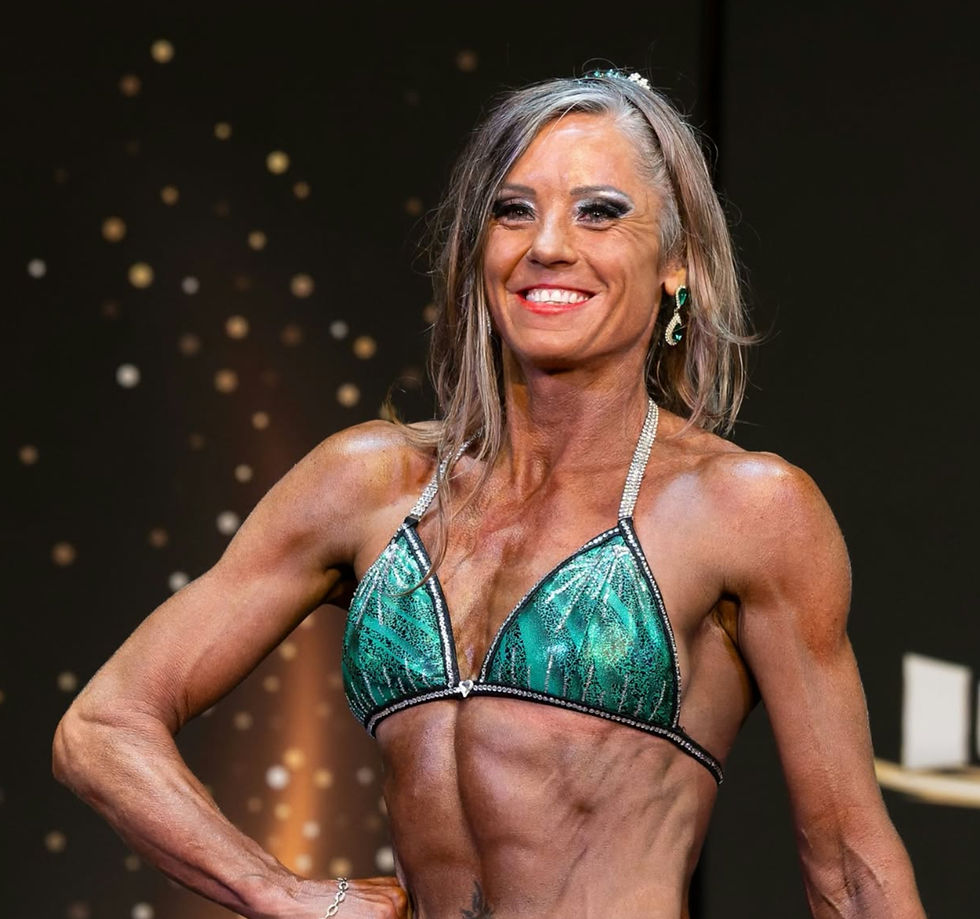
Embodying the Work Through Natural Bodybuilding
After years of learning, supporting others and applying these principles to my own life, I stepped into natural bodybuilding.
Bodybuilding gave me an opportunity to embody what I had been studying.
It taught me discipline, patience and respect for the body. It required structured nutrition, progressive training, careful recovery and the willingness to make adjustments based on how my body responded.
Competition preparation can be demanding and is not the same as an everyday wellness lifestyle. However, the wider lessons extended far beyond the stage.
I learned that progress requires patience.
I learned that recovery is part of training.
I learned that food is fuel, not punishment.
I learned that self-talk can either support the process or make every step harder.
Most importantly, I learned to work with my body rather than continually fighting against it.

From Regional Stage to Representing New Zealand
Over the past two years, I have competed at regional, national and international levels.
I won classes at the Hawke’s Bay Championships and went on to represent Aotearoa at the Oceania Championships, placing second in Sports Model and third in Fitness Model.
Now, at 45, I am in the strongest physical condition of my life.
That didn’t happen because I tried to train like a 20-year-old or ignored the realities of ageing. It happened because I became more intentional about nutrition, strength, recovery and stress.
I learned to adapt.
I listened to my body.
I continued refining the process.
This chapter was never only about medals or appearance.
It was about integration.

What Transformation Really Looks Like
Transformation isn’t about becoming someone else.
It is about returning to yourself—stronger, more aware and more aligned with what you genuinely need.
It can look like:
Understanding how your body and brain respond to stress
Nourishing yourself adequately and consistently
Moving with intention
Building strength and confidence
Creating better boundaries
Prioritising sleep and recovery
Developing healthier coping strategies
Following through on the commitments you make to yourself
Transformation is not one dramatic before-and-after moment.
It is the way you begin speaking to yourself differently.
It is the meal you prepare when you would normally skip eating.
It is the walk you take to regulate rather than remaining trapped in your thoughts.
It is resting when your body needs recovery and returning to your routine without guilt.
It is choosing the next supportive action—even when no one is watching.

Why I Created My Transformational Programmes
Everything I offer today has grown from this lifelong journey.
My programmes are not built on theory alone. They integrate professional knowledge, lived experience and strategies I have personally tested and embodied.
They are designed to help people move away from extremes and towards sustainable change.
The approach is structured, supportive and adaptable. It meets people where they are and guides them forward through simple, strategic steps.
My transformational programmes are for people who are ready to:
Reconnect with their bodies
Rebuild their energy and confidence
Improve their relationship with food and movement
Create consistency without burning themselves out
Develop sustainable habits
Invest in their wellbeing in a way that lasts
There is no one-size-fits-all solution.
What works is what fits you.
Transformation Begins With a Choice
I know what it feels like not to be okay.
I also know what can become possible when we decide to take a different path.
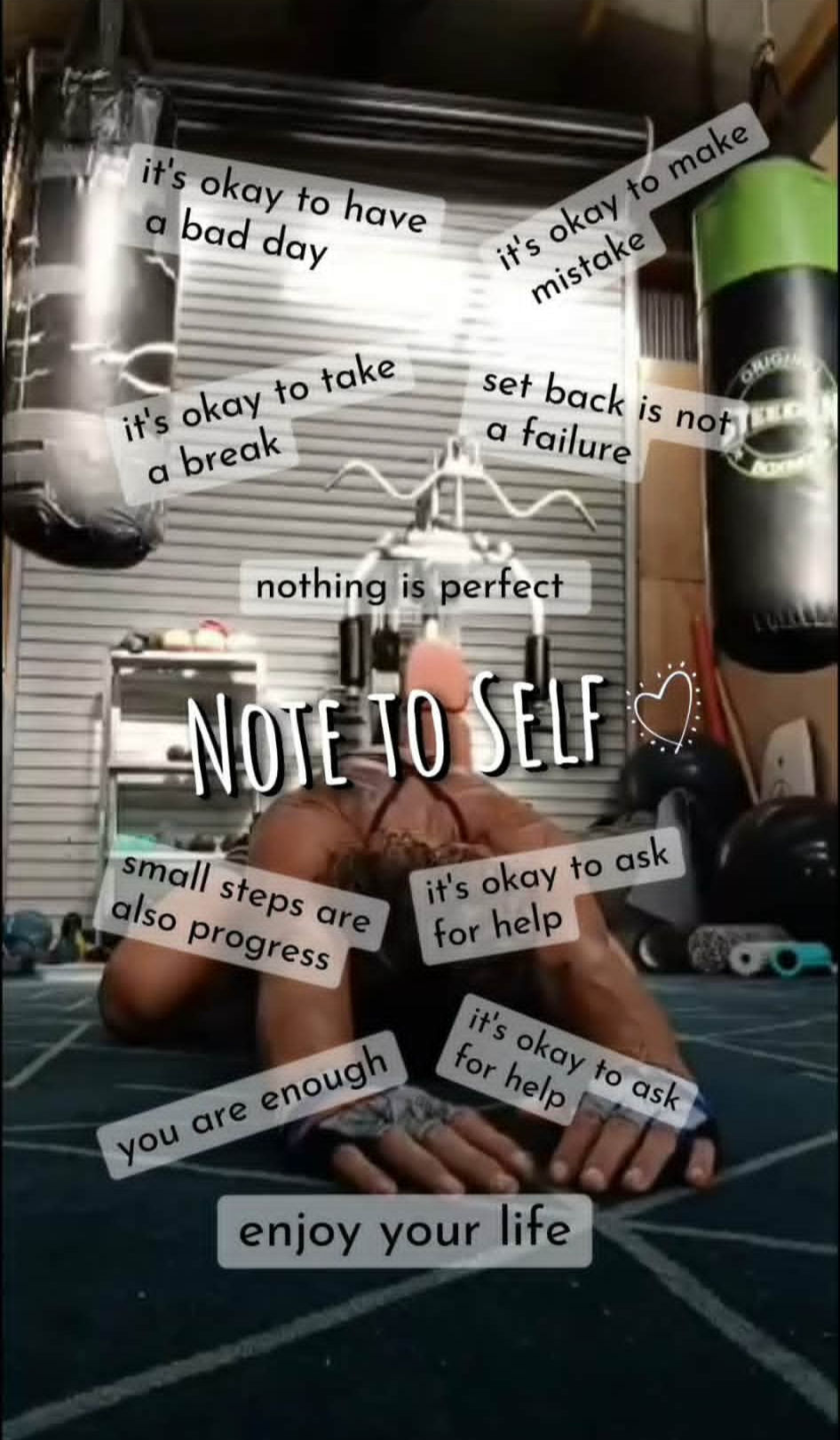
Transformation doesn’t happen overnight. There will be challenges, imperfect days and times when progress feels slower than we hoped.
But change is still happening every time we choose to show up for ourselves.
You don’t need to transform your entire life today.
You need to identify one step that moves you in the direction you want to go—and take it.
Then take another.
Simple, strategic steps practised consistently can become a completely different way of living.
Transformation begins with a choice.
The choice to believe something different is possible.
The choice to prioritise yourself.
And the choice to begin.
I run transformational challenges three times each year for women aged 30 and over.
Visit my services page or follow the landing-page link below to learn more about the next programme and how you can join.


Comments