From Surviving to Thriving: Reclaiming Life Through Nature, Simplicity & Self-Healing
Updated: Jul 21

Life didn’t unfold the way I once imagined it would.
Losing my mum at a young age and facing experiences beyond my control shaped the way I saw myself, other people and the world around me. When significant loss happens during childhood, it doesn’t simply disappear with time. It can influence how safe we feel, how we form relationships, how we respond to uncertainty and how we learn to cope when life becomes difficult.
For a long time, I was surviving rather than truly living. I moved through life feeling unsettled and searching, like a wanderer trying to find where I belonged. Growing up in poverty reinforced the belief that life would always be a struggle and that security could disappear at any moment. When you live with scarcity, your attention becomes focused on immediate needs. You learn to get through today, pay the next bill and solve the next problem, often without having the space or energy to imagine something different.
That mindset can remain long after circumstances begin to change. You become accustomed to pushing, worrying and preparing for what might go wrong. Rest can feel uncomfortable because your body has learned that survival depends on remaining alert and continuing to move.
Over time, however, something within me began to shift. I started recognising that although I couldn’t change what had happened, I could influence what I built from it. I could continue living according to the patterns created through survival, or I could begin creating a life centred around safety, nourishment, connection and purpose.

Discovering a Different Kind of Abundance
When I stepped into farming and began working with the land here in New Zealand, I discovered a form of abundance I had never fully understood before.
It wasn’t abundance measured by money, possessions or social status. It was something more fundamental: the ability of the land to produce food, provide water and support life when it is treated with knowledge and care. Planting a seed and watching it become something that could nourish a person changed the way I thought about wealth and security.
Working on the land also helped me recognise the difference between having very little and believing that nothing is available. Scarcity focuses on what is missing, while resourcefulness asks what can be created from what is already present. A small garden can produce food. Rainwater can be collected. Existing materials can be repurposed. Knowledge can turn a bare piece of land into something productive over time.
New Zealand is incredibly rich in natural resources, yet many of us have become disconnected from the practical knowledge that once helped people meet their fundamental needs. Food arrives packaged on supermarket shelves, water comes from a tap and shelter is something we are expected to spend much of our working lives paying for. These systems offer convenience and remain necessary, but complete reliance on them can make us forget how capable we are.
I didn’t want to reject modern life or pretend I could exist without other people and systems. I wanted to rebuild some of the knowledge, skills and independence that had been lost. I wanted greater choice over how I lived and a more direct relationship with the resources sustaining me.
That decision led me in a different direction.
Returning to the Foundations
I began by asking myself a simple but powerful question: What do I actually need?
The answer came back to three basic foundations—food, water and shelter. Once those needs were secure, I could begin considering everything else I wanted to create.
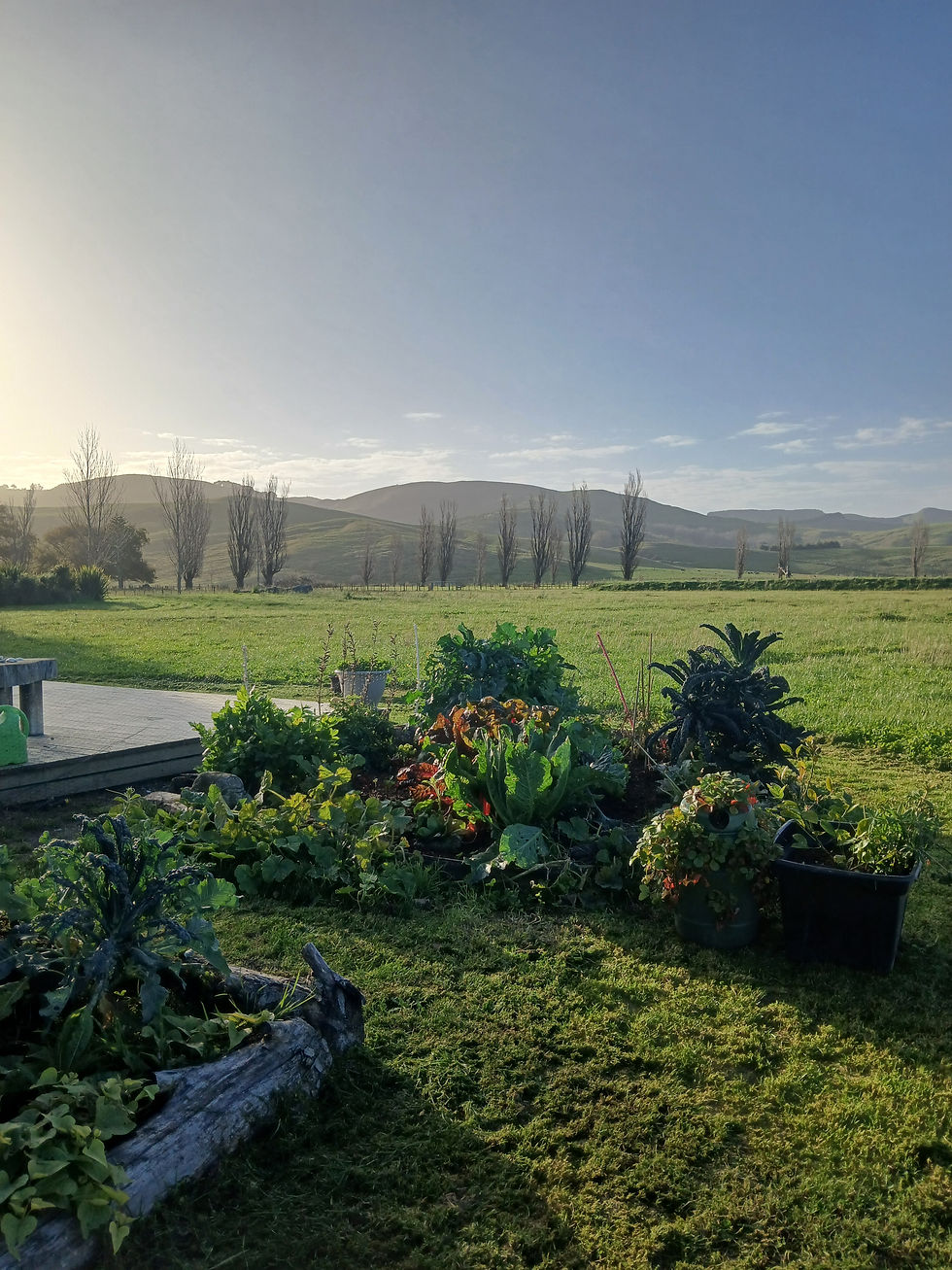
This way of thinking simplified decisions that had previously felt overwhelming. Instead of trying to build an entire lifestyle at once, I could focus on one practical foundation at a time. I began developing vegetable gardens, planting an orchard and establishing shelter belts. I learned how the land behaved through different seasons, where water settled, what needed protection and which plants were suited to the environment.
I was working with a bare block of land, so progress was not immediate. Every part of the property required time, energy, planning and patience. There were no instant results and no finished environment waiting for me. What existed had to be created gradually.
That process taught me something important about transformation: meaningful change often looks unimpressive at the beginning. A newly planted tree does not yet resemble an orchard, and a seed beneath the soil provides little visible evidence of what is happening. But when it is nurtured consistently, growth occurs.
What was once an empty block is gradually becoming a place of food, shelter, nourishment and restoration. It reflects everything I have learned about rebuilding a life. We don’t need to create everything at once. We begin with what is available, care for it consistently and allow time to become part of the process.
Healing Beyond the Physical
This journey has never been only about living from the land or becoming more self-sufficient. It has also been about healing within my body, mind and nervous system.
Through my own experiences of grief, trauma, loss and rebuilding, I have learned how survival can affect the whole person. Even when an immediate crisis has passed, the body may continue responding as though it needs to remain prepared for danger. We may feel restless, tense or unable to settle without fully understanding why. We can become highly independent, struggle to ask for help or feel as though we must constantly remain productive to be safe.
I spent years moving forward through determination. That strength helped me survive, achieve and rebuild, but healing eventually required something different from me. It required me to slow down enough to recognise what I was carrying rather than continually trying to outrun it.
For me, healing has developed through connection: connection with my body, my breath, nature, animals and the present moment. Time outside helped reduce the noise around me. Physical movement gave stress somewhere to go. Mindfulness helped me notice my thoughts without automatically allowing them to direct every decision. Caring for animals brought me into the reality of the moment because they require presence rather than performance.
These practices didn’t erase what had happened, but they changed my relationship with it. I became more aware of where I held tension, what left me depleted and what genuinely restored me. I began responding to my needs instead of treating them as inconvenient obstacles to productivity.
Healing, I discovered, wasn’t about becoming the person I had been before difficult experiences changed me. It was about integrating what I had lived and creating a stronger, more conscious way forward.

Investing in Yourself Is Real Wealth
Over the years, I have continued educating myself, developing practical skills and investing in my growth. That investment has included formal education and professional development, but it has also extended far beyond qualifications.
I have invested in my physical health through movement, nutrition and strength training. I have invested in my mental and emotional wellbeing through mindfulness, self-awareness and learning how stress and trauma influence the body. I have developed practical knowledge around growing food, caring for animals, creating a home and living more sustainably.
To me, this is real capital.
Money is important because it provides access, security and choice, but it is not the only form of wealth. Knowledge, health, confidence, relationships, practical ability and resourcefulness also carry enormous value. They influence how we respond when circumstances change and whether we believe we can find a way forward.
Life can take away a home, possessions or the external structures that once made us feel secure. I know this through experience. What remains is what we have developed within ourselves: our knowledge, adaptability, resilience and capacity to begin again.
Every new skill expands what is possible. When you know how to grow food, prepare nourishing meals, care for your body or create something from limited resources, you become less powerless within your circumstances. You may still need support and participate in wider systems, but you do so with a stronger sense of your own capability.
That is a form of wealth no one can take from you.
You Don’t Need to Begin With Everything
One of the biggest misconceptions about living differently is that you need land, money, equipment or years of experience before you can begin.
You don’t need a lifestyle block to reconnect with your food. A raised garden bed, a few herbs in pots or one vegetable planted in a sunny space can become a starting point. You don’t need to change your entire diet overnight. Preparing one more nourishing meal each week can begin developing knowledge and confidence in the kitchen.
Living more intentionally might start with collecting rainwater for a small garden, learning how to grow something suited to your local climate or becoming more mindful of what you purchase and consume. It may mean walking outside without your phone, taking a few slow breaths or creating ten quiet minutes within a busy day.
The action itself may seem small, but it represents something larger. It is a decision to participate more consciously in your own wellbeing.
Waiting for perfect conditions can become another way of remaining stuck. There will always be a reason why now is inconvenient or why someone else has more resources. Real change begins when we look honestly at what is available and ask how we can use it differently.
Start with something small enough to sustain. Allow that action to become familiar, then build upon it. This is how capability develops and how a new way of living gradually takes shape.

Creating a Wellness Sanctuary for Others
What I am creating now is more than a personal lifestyle. It is a wider vision shaped by everything I have lived, learned and rebuilt.
Here in Porangahau, I am developing a wellness sanctuary grounded in simplicity, nature, nourishment and genuine connection. I want it to become a place where people can step away from the pressure and noise of everyday life long enough to hear themselves again.
Many people spend their lives responding to demands. Their days are filled with work, bills, responsibilities, notifications and the needs of others. Even when they stop physically, their minds and nervous systems may continue racing. They know they are tired but may have forgotten what genuine restoration feels like.
The sanctuary is being created as a place to come, breathe and simply be. Through nature, movement, animals, nourishment and mindful practices, people will have opportunities to reconnect with their bodies and recognise what they need.
This isn’t about escaping life or pretending our responsibilities don’t exist. It is about creating enough space to return to life with greater clarity. When we step away from constant stimulation, we can begin distinguishing between what genuinely matters and what has simply been demanding our attention.
Thriving doesn’t always require us to do more. Sometimes it begins when we release what is unnecessary, return to the foundations of wellbeing and create a life that can genuinely sustain us.

Creating a Life by Design
For much of my life, I responded to what happened around me. Survival required immediate decisions, and there was rarely enough space to think about the wider life I wanted to create.
Living more intentionally has meant moving from constant reaction towards conscious creation. I now consider whether a choice reflects my values, supports my wellbeing and moves me closer to the life I want.
Creating a life by design doesn’t mean controlling every outcome. Life will always contain uncertainty, setbacks and events beyond our control. It means becoming clearer about the direction we want to move in and using the choices available to us with greater intention.
For me, this has meant choosing nature over noise, nourishment over depletion and purpose over pressure. It has meant building slowly, learning through experience and trusting that something meaningful can grow even when the finished vision is not yet visible.
The property, gardens, orchard and wellness sanctuary are physical expressions of that choice. But the deeper transformation has happened within me. I am no longer searching for somewhere to belong in the same way because I have begun creating that sense of home within myself.
The Pathway Forward
If there is one thing this journey has taught me, it is that we don’t need to have everything figured out before we begin.
We need a direction, a meaningful reason to change and the willingness to take the next available step. That step may be small, but when it is repeated and supported by another, it begins creating momentum.
Start where you are and use what you have. Learn what you need to learn, adapt when something doesn’t work and allow progress to develop over time. Small, consistent actions may not appear transformational in isolation, but together they can change the direction of an entire life.
I have experienced the struggle of living in survival mode, constantly pushing and trying to stay afloat. I have also experienced the shift towards a life that feels more grounded, aligned and real.
The shift wasn’t created through one perfect decision. It developed through countless choices to nourish myself, learn, rebuild and keep showing up.
I cannot control everything life may bring, but I can choose the foundations upon which I build. I can create greater connection with myself, the land and the things that truly matter. I can use what I have lived not only as evidence of what I survived, but as knowledge that can help create something meaningful for others.
There is another way to live—one that is simpler, more intentional and more connected.
And it begins by recognising that you are capable of helping to create it.

Comments