Thriving Through Perimenopause and Menopause: Strength, Hormones & Rewriting the Aging Narrative
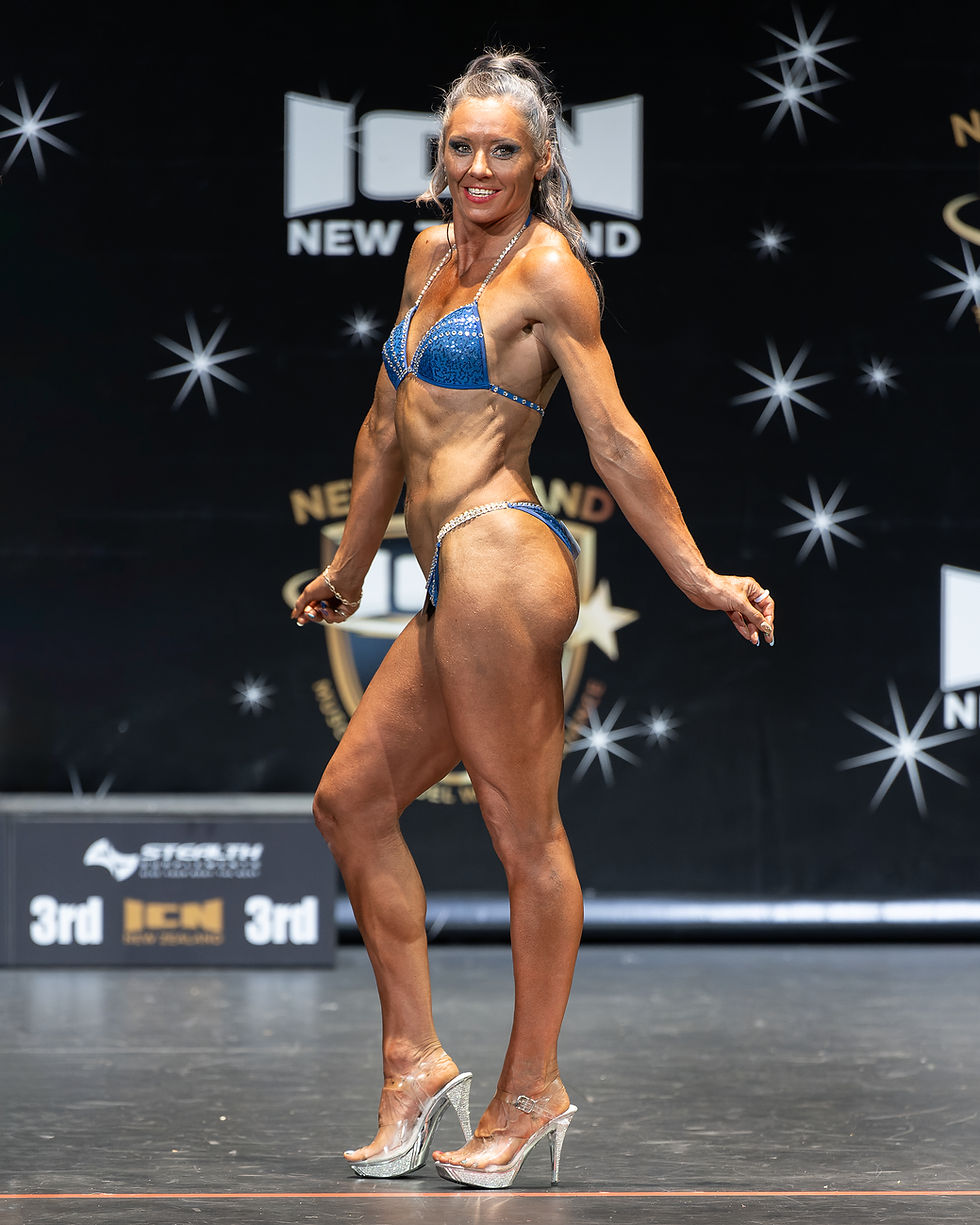
Challenging the Narrative of Decline
There is a narrative many women encounter as they move through perimenopause and into menopause.
It suggests that this is the time to slow down, soften and accept that the body will no longer respond as it once did.
That strength will fade.
Energy will disappear.
Weight gain is inevitable.
And change is something we simply have to endure.
But that isn’t the full story.
This stage of life isn’t necessarily about decline. It can be an invitation to understand the body more deeply and learn how to support it in a different, more intentional way.
When the Body Begins to Feel Different As hormones begin changing, it is common to notice things that feel unfamiliar.
Energy may become less predictable. Sleep can become disrupted, recovery may feel slower and the body may respond differently to food, training and stress.
Some women experience changes including:
Irregular periods
Hot flushes or night sweats
Sleep disruption
Mood changes or increased anxiety
Brain fog
Changes in body composition
Joint or muscle discomfort
Reduced energy
Changes in libido
Vaginal or urinary symptoms
Every woman’s experience is different.
Some move through the transition with relatively few symptoms, while others experience changes that significantly affect their quality of life.
These experiences are real. They are not evidence that a woman has become weak, lazy or incapable.
Understanding the Transition
Perimenopause is the transitional period leading towards menopause. During this time, ovarian hormone production can become unpredictable, and oestrogen and progesterone may fluctuate considerably.
Menopause is confirmed after 12 consecutive months without a menstrual period, provided there is no other medical explanation. The years following this point are referred to as postmenopause.
Hormonal changes can influence bone health, body-fat distribution, sleep, temperature regulation and other aspects of physical and emotional wellbeing.
However, hormones aren’t the only influence.
Ageing, genetics, activity, nutrition, sleep, medication, health conditions and life stress all contribute to how a woman feels and how her body changes.
This is why there is no single menopause experience—and no universal solution.
Your Body Is Adapting, Not Betraying You
When familiar strategies stop producing familiar results, it can feel as though the body is working against us.
But the body isn’t failing.
It is adapting to a changing internal environment.
That doesn’t mean we have to surrender our strength, confidence or goals. It means the approach that served us in an earlier stage of life may need to evolve.
Instead of responding with greater restriction or increasingly punishing exercise, we can become more strategic.
We can ask:
What does my body need now?
Am I training in a way that supports adaptation?
Am I eating enough to recover?
Is poor sleep affecting my energy and hunger?
Am I allowing sufficient time between demanding sessions?
Listening to the body isn’t a limitation.
It is a form of intelligence.
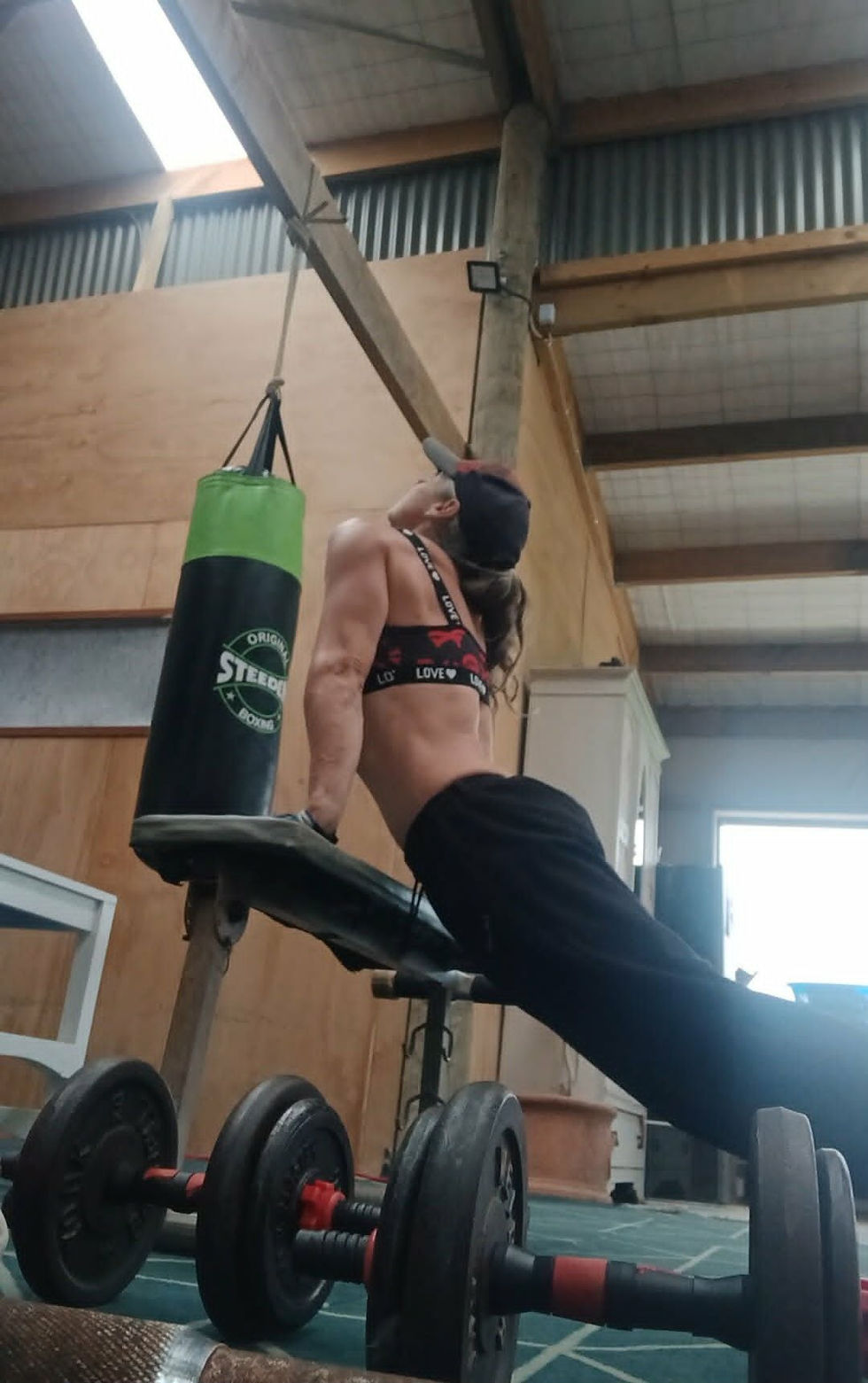
Strength Training Becomes Even More Valuable Resistance training is one of the most valuable tools available during midlife and beyond.
Muscle and bone naturally change with age, and the hormonal changes associated with menopause can add to concerns about bone health. Strength and weight-bearing exercise are recommended as part of protecting muscles, bones and long-term physical function. Healthify New Zealand and the NHS menopause guidance both highlight regular exercise, including resistance and weight-bearing activity.
Strength training can help women:
Build or preserve muscle
Maintain physical function
Support bone health
Improve balance and stability
Remain capable in everyday life
Support metabolic and cardiovascular health
Develop greater physical confidence
This doesn’t mean every session needs to be extreme.
Effective resistance training is built through appropriate technique, progressive challenge and sufficient recovery.
The goal isn’t to punish the body.
It is to give it a reason to remain strong.
Training With Intention
More exercise is not automatically better exercise.
Training needs to be challenging enough to create adaptation, but it also needs to be recoverable.
A balanced routine may include:
Resistance training
Weight-bearing movement such as walking
Cardiovascular exercise
Mobility work
Balance practice
Rest or lighter recovery days
The right balance will depend on the individual’s training history, health, symptoms and goals.
Some days, the body may be ready to work hard. On others, disrupted sleep, a heavy period or increased fatigue may require an adjustment.
Adapting a session isn’t failure.
It is intelligent programming.
Consistency over time matters more than forcing one demanding workout when the body is already depleted.

Nourishment, Not Punishment
Nutrition becomes particularly important when we want to maintain muscle, train effectively and support health through midlife.
This stage is not a reason to fear food.
Aggressive restriction may produce short-term weight loss, but prolonged under-fuelling can also affect energy, training quality, recovery and the ability to meet nutritional needs.
A supportive eating pattern should include:
Sufficient protein
Fruits and vegetables
Fibre-rich carbohydrate sources
Healthy dietary fats
Adequate calcium
Sources of vitamin D
Appropriate hydration
Enough overall energy for the individual’s needs
Food requirements vary. A highly active woman will not necessarily thrive on the same intake as someone with a lower activity level.
The aim is to create an approach that supports health and goals without becoming another extreme that cannot be sustained.
Why Protein Matters
Protein provides the amino acids needed to build and repair tissue.
When combined with resistance training, adequate protein supports the maintenance and development of muscle.
Useful sources include:
Eggs
Fish and seafood
Chicken and lean meat
Greek yoghurt and cottage cheese
Tofu and tempeh
Beans, lentils and chickpeas
Nuts and seeds
Rather than relying on one large serving at the end of the day, many women may find it helpful to include a meaningful source of protein across their meals.
Individual needs vary, particularly with body size, activity, health conditions and goals. Anyone with kidney disease or another condition affecting protein requirements should seek personalised clinical advice.
Dietary Fat and Hormones
Dietary fat is essential for normal health.
It supplies essential fatty acids, supports cell structure and helps the body absorb vitamins A, D, E and K. Fat also forms part of the wider nutritional foundation required for normal hormone production and function.
However, eating more fat does not directly “balance” menopausal hormones, and no individual food can stop the transition.
Focus on including sensible portions of nourishing sources such as:
Avocado
Nuts and seeds
Olive oil
Oily fish
Eggs
There is no need to remove fat completely, just as there is no need to add unlimited amounts in the name of hormone health.
Balance and context matter.

Carbohydrates Still Have a Place
Carbohydrates provide energy for daily life, brain function and training.
They are not automatically responsible for midlife weight gain.
The amount required will vary with activity, health and goals, but nutrient-dense sources can remain part of a balanced diet:
Fruit
Vegetables
Oats
Kūmara and potatoes
Rice
Whole grains
Beans and lentils
For women training regularly, inadequate carbohydrate intake may leave demanding sessions feeling harder and reduce the ability to perform well.
The goal is not to fear a macronutrient.
It is to choose an amount and type that support the individual.
Whole Foods Support the Wider Picture
A varied eating pattern centred largely around whole and minimally processed foods can help provide the fibre, vitamins, minerals and other nutrients required for health.
This can support steadier energy and make meals more filling, particularly when protein, fibre-rich carbohydrates and healthy fats are combined.
But whole foods don’t magically eliminate inflammation, and processed food isn’t a single category of harmful products.
Frozen vegetables, tinned beans, yoghurt and canned fish are processed and can still be nutritious, affordable choices.
What matters is the overall pattern—not perfection.

Recovery Is Part of the Programme
Recovery can no longer be treated as an inconvenience that gets in the way of progress.
It is part of how progress is created.
Muscle adapts between training sessions. Sleep supports physical recovery, concentration, mood and appetite regulation.
During perimenopause, sleep may be affected by night sweats, hot flushes, anxiety or changing sleep patterns. This can influence how energised and resilient we feel the following day.
Supportive recovery may include:
A consistent sleep routine
Rest days
Lower-intensity movement
Sufficient food and hydration
Time outdoors
Mindfulness or slow breathing
Reducing unnecessary commitments
Adjusting training when symptoms are significant
Rest isn’t a lack of discipline.
It allows disciplined effort to remain sustainable.
Stress Is Part of the Picture, but Cortisol Is Not the Enemy Cortisol is often blamed for almost every symptom associated with midlife, including weight gain, fatigue and poor recovery.
But cortisol is an essential hormone. It helps regulate energy availability, blood pressure, immune activity and the normal stress response.
The issue isn’t that cortisol exists or that it rises temporarily during exercise. That is normal.
The wider concern is prolonged stress combined with factors such as poor sleep, insufficient recovery, low mood, heavy life demands or inadequate nourishment.
These can influence behaviour, appetite, energy and recovery in complex ways.
Rather than attempting to “eliminate cortisol,” focus on reducing the total load where possible and building greater capacity to recover from it.

Progress Is Still Possible
The body retains the capacity to adapt through perimenopause, menopause and beyond.
Women can build strength.
They can improve fitness.
They can change body composition.
They can develop muscle and perform at a high level.
Progress may not always follow the same timeline or respond to the same methods used earlier in life. That doesn’t make it impossible.
It makes the process more individual.
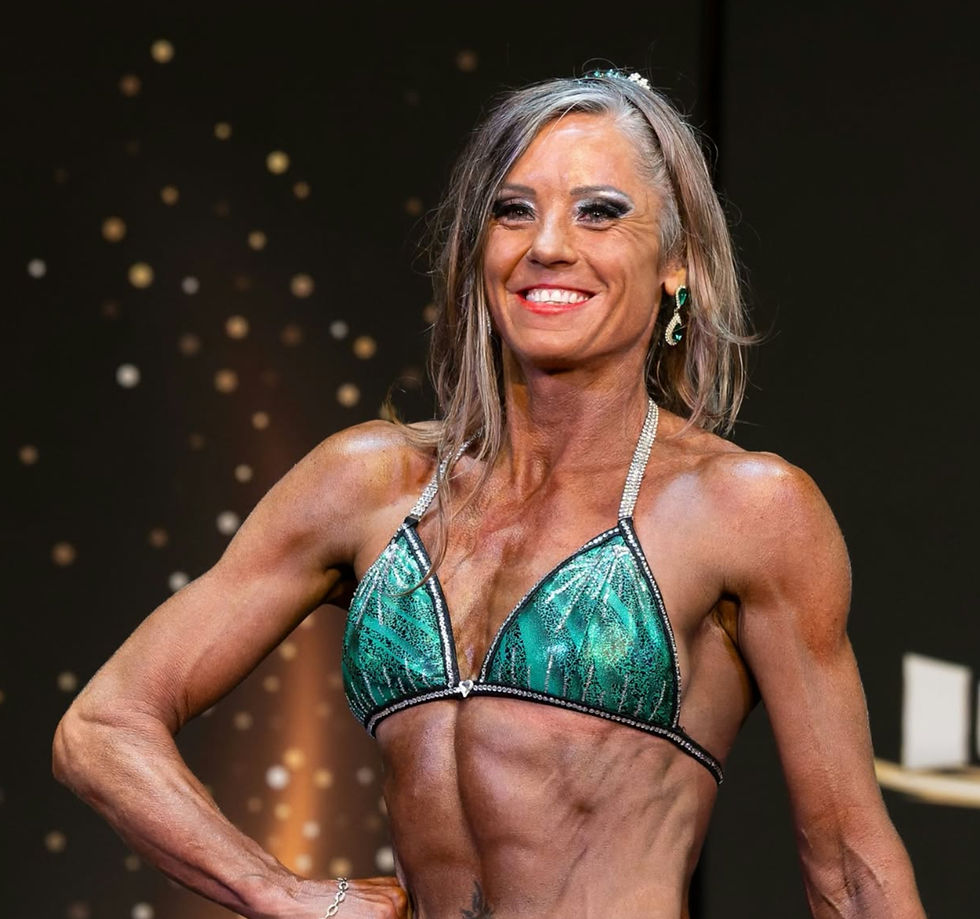
For me, this has meant learning how to combine effort with recovery, structure with flexibility and ambition with a deeper awareness of my body.
It hasn’t been about trying to hold onto a younger version of myself.
It has been about discovering what this version of me can do.
Structure Can Create Stability Having something meaningful to work towards can be powerful during a time that otherwise feels unpredictable.
The goal might be:
Completing regular strength sessions
Improving energy
Preparing for a competition
Walking a particular distance
Increasing a lift
Supporting bone health
Maintaining mobility
Feeling confident in your body again
A clear goal creates direction.
A realistic plan turns that direction into action.
And consistent action builds trust in ourselves.
What changes isn’t necessarily our commitment.
It is the way we support that commitment.
Seek Help When Something Doesn’t Feel Right Not every symptom in midlife should automatically be attributed to menopause.
Fatigue, heavy bleeding, mood changes, pain, sleep disruption and changes in weight can have other causes.
Seek medical advice if symptoms are new, severe, persistent or affecting your daily life. A qualified healthcare professional can assess whether further investigation or treatment is appropriate and discuss options for managing menopausal symptoms.
Lifestyle support can be valuable, but it isn’t a substitute for individual medical care.
A Different Kind of Strength
Perimenopause and menopause are not the end of strength, performance or vitality.
They are a transition.
Within that transition is an opportunity to build a different kind of strength—one rooted in awareness, resilience and alignment.
This stage asks us to become more intentional.
To nourish rather than punish.
To train rather than exhaust.
To recover without guilt.
To recognise that listening to the body is not surrendering to limitation. It is learning how to work intelligently with the body we have now.
Your body is not working against you.
It is changing, communicating and adapting.
When you understand those changes and respond with the right support, there is still so much you can build.
Support Through Mind Body Soul Unleashed
If you are navigating hormonal changes and want support with your nutrition, movement, mindset and overall wellbeing, Mind Body Soul Unleashed offers evidence-informed programmes designed to meet you where you are.
Whether your goal is to reduce body fat, maintain muscle, improve energy, build strength or simply feel more like yourself again, the focus is on sustainable change that works with your body—not against it.
Explore the programmes and services available through Mind Body Soul Unleashed.
You are not fading.
You are evolving.
Comments