Coming Home to Health: The Science Behind Whole Foods, Movement and Natural Wellbeing ✨️
Updated: Jul 21

Coming Home to Health: Why the Greatest Medicine Isn't Found in a Quick Fix
We live in a world that constantly promises the next miracle solution.
The latest diet.
The newest supplement.
The quickest detox.
The fastest transformation. Many people are searching for better health, yet often look further and further away from the very things our bodies have always needed.
What if the answer wasn't another extreme?
What if it was coming home to the foundations of health?
Not perfection.
Not restriction.
Not chasing the next trend.
Just reconnecting with what our bodies were designed for.
We Were Designed to Work With Nature, Not Against It
Nature has always provided clues about how to live. Long before health became an industry, our ancestors lived in rhythm with the natural world. The seasons changed, daylight shifted, food availability varied throughout the year, and our bodies adapted alongside these changes.
Winter naturally encourages us to slow down, rest a little more and enjoy nourishing, warming meals. Summer invites lighter foods, longer days and more movement outdoors. These seasonal rhythms influence everything from our sleep patterns and hormones to our energy levels and appetite.

Our modern world allows us to eat almost anything at any time, but convenience has also created confusion. Many foods now come in packets, loaded with ingredients our great-grandparents would barely recognise. While convenience certainly has its place, many ultra-processed foods are high in refined sugars, unhealthy fats, sodium and additives while being relatively low in the fibre, vitamins and minerals our bodies depend on. Over time, diets dominated by these foods have been associated with an increased risk of obesity, type 2 diabetes, cardiovascular disease and other chronic health conditions.
Whole foods are different.
They're foods that are as close to their natural state as possible—the foods we can grow, gather, hunt or fish.
Fresh vegetables. Fruit. Eggs. Quality meat. Fish. Legumes. Nuts. Seeds. Herbs.
These foods don't simply fill our stomachs. They provide the vitamins, minerals, healthy fats, protein, fibre and antioxidants our bodies need to function well. Every nutrient performs specific roles within the body, supporting countless biological processes that keep us alive, healthy and resilient.
Magnesium supports hundreds of enzymatic reactions involved in muscle function, energy production, nervous system regulation and healthy sleep.
Vitamin C supports immune function, collagen production, wound healing and acts as a powerful antioxidant that helps protect our cells from oxidative stress.
B vitamins help convert the food we eat into usable energy while supporting brain function, nervous system health and red blood cell production.
Omega-3 fatty acids support heart health, brain function, eye health and help regulate healthy inflammatory responses throughout the body.
Protein provides the amino acids needed to build and repair muscles, produce hormones and enzymes, support immune function and maintain healthy tissues.
Fibre nourishes our gut microbiome, supports digestive health, helps regulate blood sugar levels and contributes to healthy cholesterol levels.
The fascinating part is that nutrients rarely work alone. They often work together in what researchers call food synergy, where the nutrients found naturally within whole foods enhance each other's absorption and effectiveness.
Rather than relying on isolated nutrients, whole foods provide a complex combination of vitamins, minerals, phytochemicals and antioxidants that work in harmony to support health in ways science is still discovering.
When we consistently nourish our bodies with a variety of whole foods, we're providing every cell with the building blocks it needs to repair, recover, adapt and thrive.

Movement Is More Than Exercise
For many years I believed more exercise meant better results. I trained hard, six days a week. But I wasn't nourishing my body well enough, and eventually I realised I was placing more stress on my body than supporting it.
That lesson changed the way I viewed movement.
Movement isn't only about burning calories or changing the way we look. It's about supporting the incredible systems within our body that rely on movement to function optimally. Our muscles, bones, joints, heart, lungs, lymphatic system and even our brain all benefit from regular physical activity.

Walking.
Strength training.
Stretching.
Playing.
Gardening.
Working outside.
Every form of movement has value.
Stretching improves flexibility, supports healthy joints, reduces muscle tension, increases circulation and helps maintain functional movement as we age.
Strength training helps preserve muscle mass, supports bone density, improves insulin sensitivity, boosts metabolism and allows us to remain strong and independent throughout life. This becomes increasingly important as we age because we naturally lose muscle mass unless we actively maintain it.
Walking supports cardiovascular health, improves circulation, assists blood sugar regulation and provides one of the simplest ways to improve both physical and mental wellbeing.
Regular movement also stimulates the release of powerful neurotransmitters and hormones that support emotional health.
Endorphins can reduce pain and improve mood. Dopamine plays an important role in motivation, learning and reward.
Serotonin helps regulate mood, sleep and emotional wellbeing.
Brain-derived neurotrophic factor (BDNF), sometimes called "fertiliser for the brain," supports learning, memory and the growth of new brain cells.
These aren't simply "feel-good hormones." They're part of the body's natural chemistry that helps us feel balanced, resilient, focused and energised.
Perhaps the greatest benefit of movement is that it reminds our bodies what they're capable of. We weren't designed to spend most of our lives sitting. We were designed to move.

The Healing Power of Breath
One of the most powerful tools we have is something we do every moment of every day. Breathing. Yet despite taking around 20,000 breaths every day, very few of us pay attention to how we breathe.
When life becomes overwhelming, our nervous system shifts into survival mode. This activates the sympathetic nervous system—our natural fight, flight or freeze response. Our heart rate increases.
Stress hormones rise.
Digestion slows.
Muscles tense.
Sleep suffers.
Our body prepares to protect us rather than repair us.
While this response is essential in genuine danger, many of us spend far too much time living in this heightened state because of chronic stress, constant busyness, financial pressures, relationship challenges or information overload.
Slow, intentional breathing sends a message to the brain that we're safe.
This helps activate the parasympathetic nervous system—often called the "rest and digest" state.
When this happens, remarkable things begin to occur.
Our heart rate slows.
Digestion improves.
Stress hormones reduce.
Blood pressure can decrease.
Muscles relax.
Our mind becomes clearer.
Our body can focus on repair, recovery and restoration.
Simple breathing practices don't remove life's challenges, but they help regulate the nervous system so we can respond rather than react. They remind our body that not every situation is an emergency.
Healing doesn't happen when we're constantly running on empty. It happens when we create opportunities for our bodies to recover.
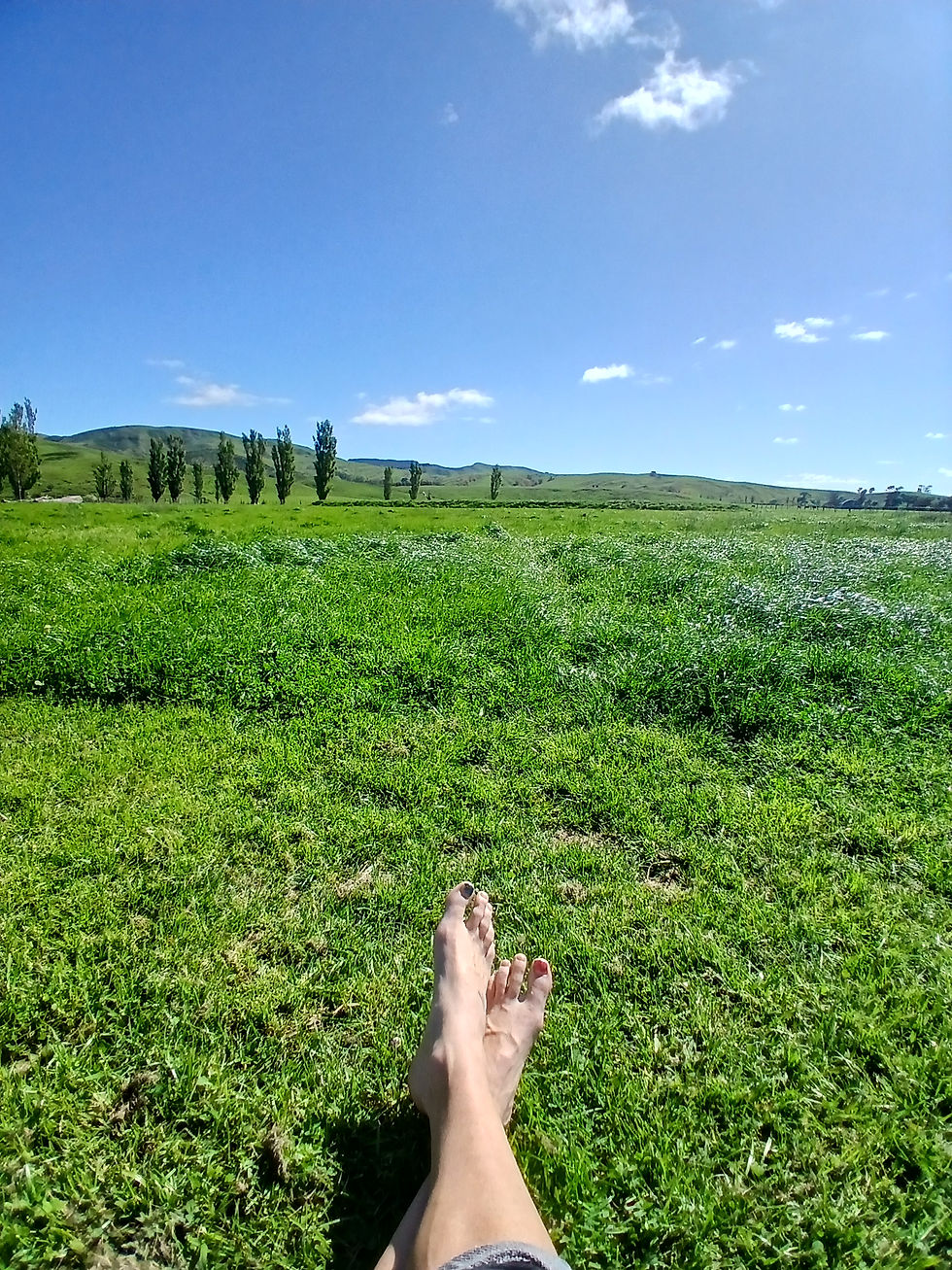
Sunlight: One of Nature's Greatest Gifts
Many of us spend most of our day indoors beneath artificial lighting, travelling from our homes to our cars, workplaces and back again. It's easy to underestimate how important natural light is for human health.
Sunlight helps our bodies produce vitamin D, which plays an important role in bone health, immune function, muscle function and overall wellbeing.
Natural daylight also helps regulate our circadian rhythm—our internal body clock—which influences our sleep-wake cycle, hormone production, metabolism, energy levels and even mood.
Morning sunlight exposure has been shown to help regulate melatonin production later in the evening, making it easier to fall asleep and improving sleep quality.
Combined with fresh air and movement, spending time outdoors can reduce stress, improve mood, enhance concentration and support mental wellbeing.
Sometimes the best reset isn't another screen, another coffee or another supplement.Sometimes it's simply stepping outside.
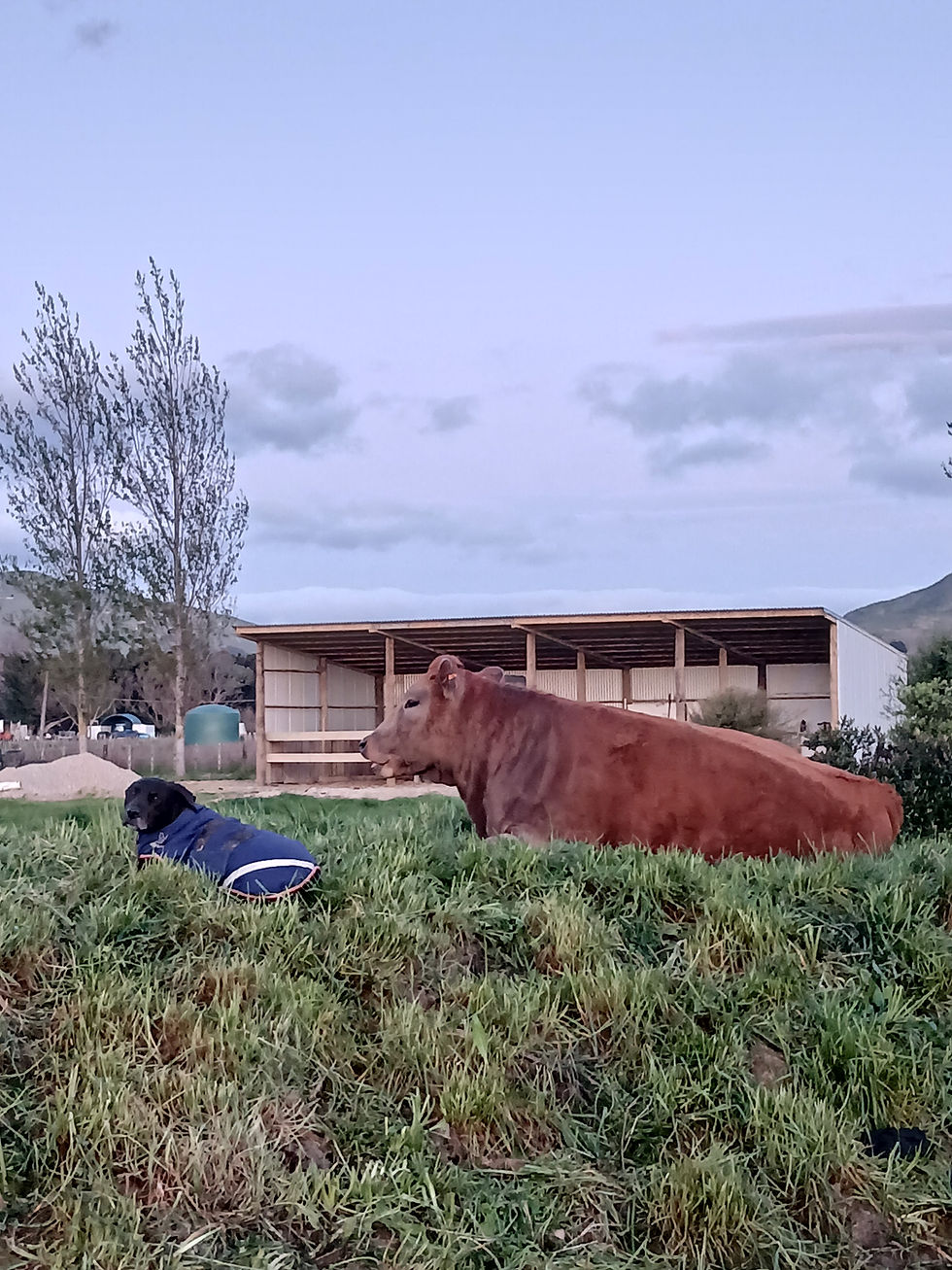
Rest Is Productive
Modern society often celebrates being busy.
Productivity is praised. Being constantly available is expected. Many people wear exhaustion like a badge of honour.
But our bodies weren't designed to operate at full speed all the time.
Rest isn't laziness.
Rest is where restoration happens.
During quality sleep and periods of recovery, the body repairs tissues, strengthens the immune system, consolidates memories, regulates hormones, supports brain health and restores energy.
It's also during deep sleep that growth hormone is released to assist with tissue repair and muscle recovery.
Without adequate rest, even the best nutrition and exercise plan can't perform at its full potential. Recovery isn't separate from health—it is one of the foundations of health.
Sometimes the healthiest thing we can do isn't push harder.
Sometimes it's giving ourselves permission to pause.
Strong Foundations Over Quick Fixes
I've seen countless products, detoxes and extreme health trends promoted online.
People become overwhelmed trying to find the perfect solution.
Marketing often convinces us that health is something we can buy. But lasting wellbeing rarely comes from extremes. It comes from consistently doing the basics well.
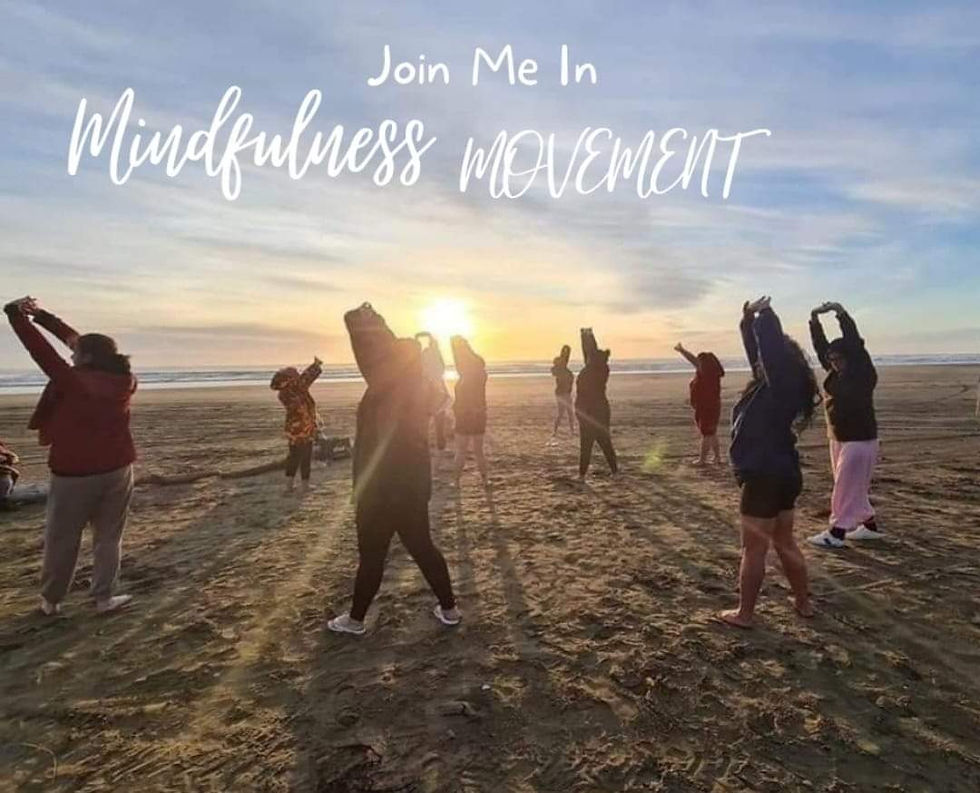
Nourishing your body with whole foods.
Moving regularly.
Building strength.
Stretching.
Breathing deeply.
Spending time in nature.
Getting sunlight.
Sleeping well.
Allowing your body time to recover.
These habits may not be flashy, but they're supported by decades of scientific research and have stood the test of time. They don't promise overnight transformation, but they create the conditions that allow the body to function the way it was designed to.
The human body possesses an extraordinary ability to heal, adapt and become stronger when we consistently provide it with what it needs.
Coming Home to Yourself
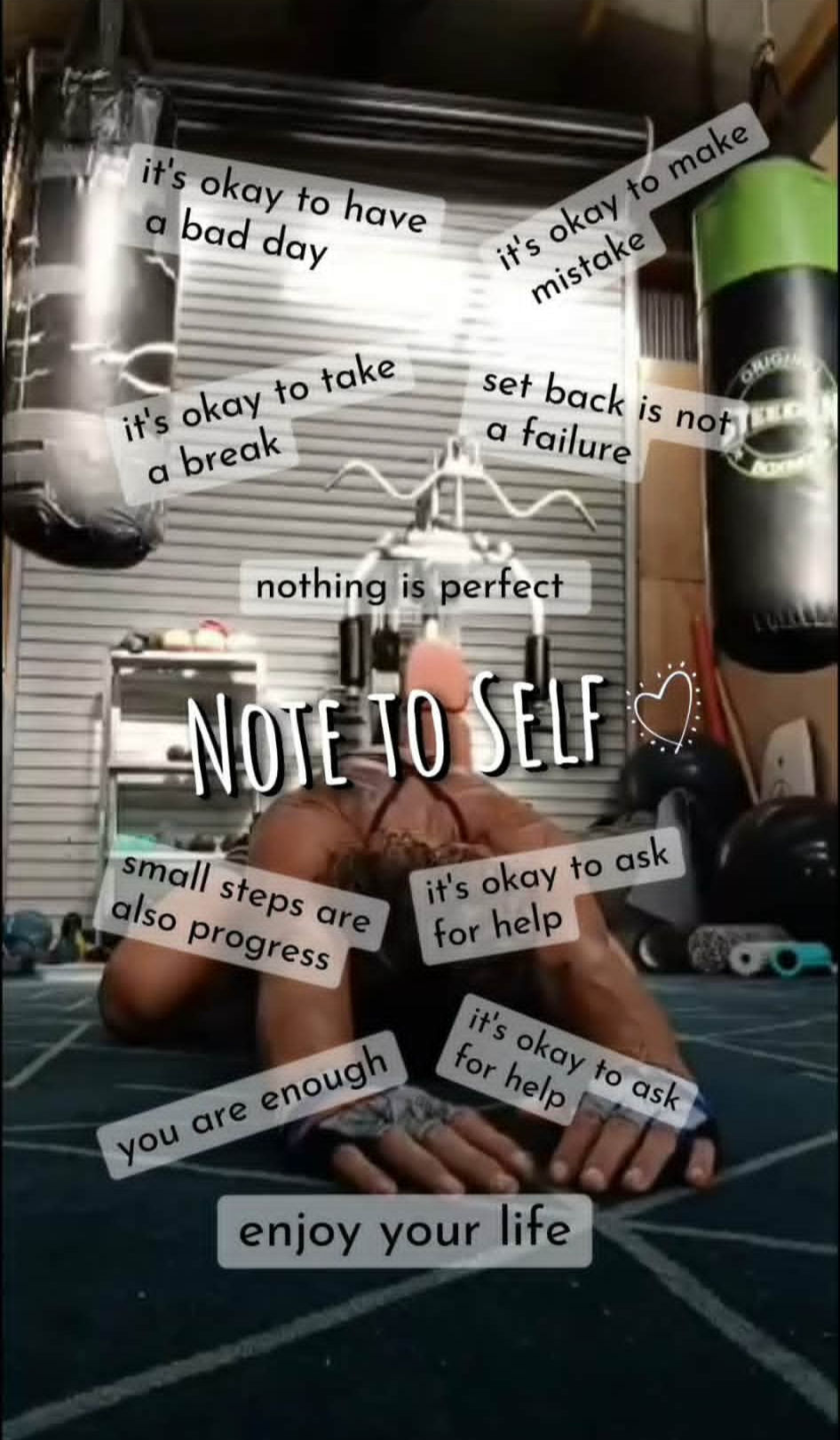
Health isn't about chasing perfection.
It's about creating an environment where your body can do what it was beautifully designed to do.

Heal.
Adapt.
Grow stronger.
Become more resilient.
The further we've drifted from nature, the more complicated health has become.
Perhaps the answer isn't finding something new. Perhaps it's remembering something we've always known.
The foundations of health have never really changed. Eat real food. Move often. Build strength. Breathe deeply. Sleep well. Spend time in nature. Slow down when your body asks you to.
These simple practices may not make headlines or promise instant results, but they create something far more valuable—a body and mind that are supported from the inside out.
Sometimes the greatest transformation begins not by searching for more…
…but by coming home to the simple foundations that nourish the mind, body and soul.


Comments