Your Body Remembers: Understanding Your Nervous System and Learning to Feel Safe Again
Have you ever wondered why you can know you're safe, yet your body seems to be telling you something completely different?
You might understand logically that there is nothing to fear, yet your heart is racing, your stomach is churning or your jaw is clenched. You may feel unable to settle, exhausted but still unable to switch off. Or perhaps you experience the opposite — withdrawing, losing motivation, feeling disconnected from yourself or simply reaching a point where you don't have the capacity for one more thing.
This is something I find fascinating about the human body: our conscious mind is only one part of the conversation. We can understand something intellectually and still have a very different physical response happening underneath that understanding. Knowing we're safe and feeling safe in the body don't always arrive at exactly the same time.
Beneath our conscious thoughts is an extraordinarily complex nervous system that is constantly sensing, interpreting and responding to information from both around us and within us. It doesn't wait for us to consciously analyze every situation before responding. It draws on sensory information, internal signals, previous learning, memory and experience to continually adjust what is happening throughout the body. Sometimes that means our body responds before our thinking mind has even worked out why.
I often describe this as having “issues in our tissues.” Our experiences don't exist only as stories or memories in our heads. What we live through can influence the way we breathe, brace, move, digest, sleep, respond, anticipate and protect ourselves. The brain and nervous system are continually learning associations from experience, and much of that learning doesn't require conscious thought.
We experience this in ordinary ways all the time. A smell can transport us somewhere almost instantly. A particular song can bring emotion flooding back before we've even thought about the memory attached to it. A certain tone of voice can change how we feel. We can walk into a room and sense tension before anybody says a word, or notice our shoulders tightening around a particular person without consciously deciding to tense them. These responses remind us that the body can recognize patterns before language catches up.
That doesn't mean we're destined to keep responding in the same way forever. This is one of the most important parts of understanding the nervous system. The same capacity that allows us to learn protective patterns also gives us the capacity to continue learning. Our nervous system is shaped by experience, but experience doesn't stop shaping us once we reach adulthood. New experiences, repeated often enough, can become part of what our brain and body learn too.
Understanding this can change the way we relate to ourselves. Instead of immediately approaching a response as something that is wrong with us, we can begin to see it as information. The conversation shifts away from “What's wrong with me?” and toward something much more useful: “What has my system learned, what is it communicating, and what can I teach it now?”
Your nervous system is doing far more than “fight or flight”
When we talk about the nervous system, we often hear about fight or flight, but the autonomic nervous system is doing far more than responding to emergencies. It is working continuously beneath conscious awareness, helping regulate heart rate, blood pressure, digestion, sweating and many aspects of breathing and metabolism. Long before we're consciously thinking about these processes, the body is already making countless adjustments to meet the demands of the moment.
Two major parts of this system are the sympathetic and parasympathetic nervous systems. They aren't opposing forces where one is “bad” and the other is “good.” We need both. A healthy, adaptable nervous system needs to be capable of mobilizing when action is required and supporting restoration when that demand has passed.
Think of the sympathetic nervous system as helping us mobilize. When greater action is required, sympathetic activity can increase heart rate, alter breathing, redirect resources and help make energy available. Alongside this, our wider stress-response system includes the hypothalamic-pituitary-adrenal, or HPA, axis, which connects the brain with the endocrine system and adrenal glands. Hormones including adrenaline and cortisol are part of the coordinated physiological response that allows us to meet demand.
And we absolutely need this system. Sympathetic activation contributes to our ability to get out of bed, exercise, concentrate, perform, meet a deadline, respond quickly and protect ourselves when there is genuine danger. It can be part of excitement, challenge and achievement as well as stress. Activation itself isn't the enemy.
The issue is often activation without enough recovery.
When demands become frequent or prolonged, the body repeatedly has to adapt. Researchers use the term allostatic load to describe the cumulative physiological burden associated with repeatedly adapting to life's demands. This is much broader than the simplified idea of simply “having too much cortisol.” Our nervous, endocrine, immune, cardiovascular and metabolic systems are interconnected, and sustained demand can influence the body across multiple systems.
This also explains why stress isn't only about what happens to us. Duration, frequency, intensity and our opportunity to recover all matter. A challenging workout followed by adequate nourishment, sleep and recovery is very different from stacking hard training onto poor sleep, emotional stress, under-eating and an already demanding workload. The body experiences the total load, not the labels we place on each individual stressor.
So rather than focusing only on whether we are “stressed,” it can be more useful to consider the wider balance between demand and recovery — how much our whole system is carrying and whether we're creating enough opportunity for it to restore.
When “doing” becomes our normal
Survival doesn't always look like someone visibly panicking. Sometimes it looks remarkably functional. It can look like constantly doing, working, training, cleaning, caring for everybody else, solving problems, checking the phone, thinking three steps ahead or struggling to sit down without immediately feeling as though we should be doing something productive.
Some people become exceptionally capable while operating in a highly activated state. We can organize, achieve, care for others, solve problems and keep everything moving while barely recognizing how much we're carrying ourselves. When staying busy, prepared or in control has repeatedly allowed us to cope with life's demands, doing can begin to feel more familiar than stopping.

And sometimes we don't realize how activated we've been until we finally do stop. We go on holiday and suddenly become exhausted. A stressful period ends and the body seems to collapse. We sit down to meditate and discover how uncomfortable stillness feels. We finally have a quiet day and, rather than settling into it, find ourselves looking for the next thing that needs doing.
Sometimes busy feels safer than still simply because busy has become familiar.
The nervous system learns through repetition. If we've spent months or years responding to pressure, responsibility, uncertainty, grief, trauma, conflict, lack of sleep, financial pressure, caregiving or simply too little recovery, the way we operate can gradually begin to feel normal. We adapt. And because human beings are remarkably adaptable, we can sometimes function within a pattern for so long that we stop recognizing how much effort it requires.
Tension can become so familiar that we don't notice our jaw until someone reminds us to unclench it. Shallow breathing can become so habitual that we only recognize it when a deeper breath arrives. Constant tiredness can become our baseline until we experience genuine rest and suddenly remember what having energy feels like. We may even mistake being constantly stimulated for being energetic, or complete exhaustion for relaxation simply because we've finally stopped moving.

That is where awareness becomes powerful. Not because we need to monitor ourselves constantly or turn every sensation into a problem, but because we can't respond to signals we no longer recognize. As we become more familiar with our own patterns, we create the possibility of noticing earlier — when the shoulders first begin to rise, when the breath changes, when irritability appears, when digestion shifts, when we're pushing beyond tiredness or when stillness begins to feel strangely uncomfortable.
Awareness gives us information, and information gives us choice. We begin learning the difference between simply getting through our lives and actually noticing what our body has been communicating along the way.
The parasympathetic nervous system: where restoration happens
The parasympathetic nervous system is often described as our “rest and digest” system. That's an oversimplification, but it captures an important part of its role. Parasympathetic activity contributes to functions associated with restoration, digestion and energy conservation and helps regulate organs including the heart and gastrointestinal system.
Where the sympathetic nervous system helps us mobilize resources to meet demand, parasympathetic activity is more strongly associated with what happens when that level of mobilization is no longer required. Heart rate can slow, digestive activity is supported, energy expenditure can shift and the body has greater opportunity to attend to the ongoing processes involved in maintenance and recovery.

Importantly, the sympathetic and parasympathetic systems aren't simply an on-and-off switch where one shuts down whenever the other becomes active. Both are continually contributing to our physiology, with their influence changing according to what we're doing and what the body requires. We can be physically active without being “dysregulated,” and we can be sitting completely still while internally highly activated. The nervous system is much more dynamic than the simple idea of being either stressed or relaxed.
This is why regulation isn't about getting rid of sympathetic activation or trying to live permanently in a parasympathetic state. It's about flexibility. We want to be capable of mobilizing when life requires action, maintaining enough energy and focus to meet that demand, and then moving toward restoration when the demand has passed.
We work and then recover. We train and then recover. We concentrate and then give the brain a break. We engage with the world and then need periods with less stimulation. We move between doing and being. These rhythms aren't signs of weakness or inefficiency; they're part of how living systems function.
Recovery also isn't simply about feeling calm. Restoration is physiological. Sleep supports processes involved in memory, immune function, metabolic regulation and tissue repair. Adequate nourishment provides the energy and nutrients required to rebuild and function. Periods of reduced physical demand allow muscles, connective tissues and other systems to recover from training and activity. Digestion needs resources too. Our bodies are continually maintaining, repairing and adapting, and those processes require both resources and opportunity.
This is where understanding recovery becomes particularly important. We can technically stop one activity without actually reducing the demands being placed on us. Consider an ordinary day. You wake to an alarm, immediately check your phone, rush through breakfast, drive in traffic, work under pressure, drink caffeine to keep going, train hard after work, answer messages while eating dinner and then scroll through stimulating content in bed. There may have been moments when you weren't technically “working,” but how many genuine opportunities did your system have to downshift?

Perhaps you sat on the couch for an hour but spent that hour answering messages, watching distressing news or mentally planning tomorrow. Perhaps you took a rest day from training but filled it with errands and physical jobs. Perhaps you went to bed early but spent another hour scrolling before trying to sleep. Stopping and recovering aren't necessarily the same thing.
This distinction matters because we can become very good at changing activities without actually creating recovery. Work becomes exercise. Exercise becomes errands. Errands become cooking. Dinner becomes emails. Emails become scrolling. Eventually we collapse into bed and call that rest. Yet genuine restoration involves giving the body and brain periods in which less is being demanded of them, rather than simply replacing one form of demand with another.
And restoration doesn't always mean lying still. A slow walk outside, gentle movement, time in nature, listening to music, reading, creating something or having an unhurried conversation may all feel restorative. What matters isn't simply whether we're moving or stationary, but what the experience is asking of us and how our system responds to it.
This is where nervous-system awareness becomes practical. We can begin noticing what actually leaves us feeling replenished rather than simply distracted. We might recognize when we're physically still but mentally racing, when our “relaxation” is actually another form of stimulation, or when gentle movement leaves us more settled than forcing ourselves to sit quietly.
Over time, we can also become more familiar with our own signs of restoration. Breathing may become easier. The jaw or shoulders may soften. Hunger may return. Digestion may feel different. Thoughts can become less urgent. We might yawn, stretch or suddenly recognize how tired we actually are. These are opportunities to become curious about what recovery feels like in our own body rather than relying solely on what we think rest is supposed to look like.

None of this needs to become another set of rules about how we're supposed to relax. The purpose is awareness. Just as we're learning to recognize activation, we're also learning to recognize restoration — and gradually creating more room for both.
Because nervous-system regulation isn't simply learning how to calm ourselves once we've reached our limit. It's about developing the flexibility to respond to demand and creating a rhythm of life in which recovery has somewhere to exist.
Activation is part of being alive. Restoration is too. A resilient nervous system needs access to both.
The vagus nerve: communication between brain and body
One of the major nerves involved in parasympathetic regulation is the vagus nerve. Its name comes from the Latin word meaning “wandering,” which is fitting because of the extensive path it takes through the body. Beginning in the brainstem, branches of the vagus travel through the neck and into the chest and abdomen, communicating with structures associated with the heart, lungs and gastrointestinal system. Rather than thinking of it as a simple “calming nerve,” it is more useful to understand it as part of a much larger communication network between the brain and the body.
What I find particularly fascinating is that this communication isn't simply the brain issuing instructions downward. A large proportion of vagal fibers are afferent, meaning they carry sensory information from the body's organs toward the brain. At the same time, efferent fibers carry information from the brain toward the body. There is an ongoing conversation taking place in both directions.
This means the brain is continually receiving information about our internal physiological environment. Signals relating to cardiovascular activity, breathing, the gastrointestinal system and other internal processes contribute to the brain's ongoing assessment of what is happening within us. Much of this occurs outside conscious awareness. We don't have to consciously monitor every heartbeat or digestive contraction for the nervous system to receive information about them.
The vagus nerve is also involved in regulating functions we rarely think about until something changes. Its parasympathetic pathways contribute to processes including heart-rate regulation and digestion, while vagal sensory pathways carry information arising from internal organs back toward the brain. This is another reason nervous-system regulation is much more complex than simply trying to “activate the vagus nerve.” We're working with an interconnected system that is already communicating every moment of the day.
Our conscious experience of signals arising from within the body is closely related to interoception. Interoception allows us to recognize things such as hunger, fullness, thirst, temperature, heartbeat, breathing, digestive sensations and the need to use the bathroom. It also contributes to the physical experience of emotion. The butterflies before an important event, warmth rising through the face when we're embarrassed, a pounding heart when we're frightened or the heaviness we feel when we're deeply sad remind us that emotions aren't experienced only as thoughts. They are embodied experiences.
Interoception isn't necessarily about being able to identify every tiny change inside the body. It is about our relationship with internal information. Some signals are easy to recognize, while others can be missed until they become much stronger. We may not notice hunger until we're suddenly ravenous, fatigue until we're exhausted, muscular tension until we develop a headache, or activation until we realize we've been holding our breath and clenching our jaw for the past hour.
This becomes particularly interesting when we consider how differently people experience their internal world. Some people are very aware of physical sensations and can feel small changes quickly. Others may have spent years overriding bodily signals because life required them to keep going, stay productive, care for other people or simply get through what was in front of them.
Hunger gets postponed. Exhaustion gets covered with caffeine. Tension becomes normal. The urge to rest is ignored. Eventually we can become very practiced at pushing past the body's quieter communication.
Nervous-system awareness invites us to rebuild some of that connection. Rather than waiting until the body is shouting, we can become more familiar with the whispers.

Importantly, listening to the body doesn't mean treating every sensation as a warning or becoming hyperfocused on our physiology. A racing heart can occur because we're frightened, but it can also happen because we're excited, exercising or have just climbed a hill. Butterflies can accompany anxiety and anticipation. Tiredness can mean we need recovery rather than that something is wrong. Body awareness becomes most useful when it is paired with context.
This gives us another way of understanding nervous-system regulation. Regulation isn't always a top-down process where the thinking brain tells the body what to do. We can certainly influence our physiology through intentional breathing, attention, mindfulness and how we interpret an experience, but information is also continually moving from the body upward. Sensation, movement, breathing, digestion, touch and our internal physiological state all contribute information to the nervous system.
And this is where practices such as movement, breathing, humming, grounding and sensory awareness become more meaningful. They aren't simply tricks for “switching on” one nerve. They change what we're doing with the body — how we're breathing, moving, directing attention and interacting with our environment — and therefore change some of the sensory information entering this ongoing brain-body conversation.
Try this: a 60-second body check-in
Take one minute without trying to make yourself calm. Feel where your feet are making contact with the ground and notice the support underneath your body. Bring your attention gradually upward through your legs and abdomen, then notice your hands, shoulders, jaw and tongue. Become aware of any areas that feel braced, loose, warm, cool, heavy, restless or comfortable.
Then bring your attention to your breathing. Notice where movement is easiest to feel — perhaps through the chest, lower ribs or abdomen — and whether you're breathing freely or subtly holding the breath. There is no need to immediately deepen it, lengthen the exhale or drop your shoulders.
For this minute, the practice is simply noticing.
You can take this further by checking in at different points throughout an ordinary day. Notice your body before opening your computer, after several hours of work, before and after eating, while spending time with different people, after being outside or when you finally stop at the end of the day. Over time, the value isn't in collecting individual sensations; it is in beginning to recognize patterns between your body, your environment and your experiences.
That awareness gives us more opportunity to respond earlier. We might recognize the first signs that we need food, movement, rest, space, a slower breath, less stimulation or a boundary rather than discovering those needs only once we've reached our limit.
The body has been talking all along. Regulation can begin with learning its language well enough to hear it.
Why stress often ends up in the gut
For many people, the digestive system is one of the clearest places they experience the mind-body connection. We often talk about the brain and gut as though they are separate systems — one responsible for thoughts and emotions, the other responsible for digestion — but physiologically they are in constant communication. This relationship is known as the gut-brain axis, a complex two-way communication network involving the autonomic nervous system, the enteric nervous system within the digestive tract, hormones, immune signaling, the vagus nerve and compounds associated with the gut microbiome.
The digestive system even has its own extensive network of neurons, known as the enteric nervous system, embedded throughout the gastrointestinal tract. It can coordinate many aspects of digestion independently while remaining in ongoing communication with the brain and wider autonomic nervous system. This is part of why our emotional and physiological states can be felt so strongly in the gut. The “butterflies” before something important, the sudden loss of appetite when we're distressed or the urgent need to use the bathroom when we're nervous aren't simply expressions — they are examples of how closely these systems interact.
When the body detects demand, the nervous system begins adjusting resources according to what it believes is required. Sympathetic activation supports mobilization and action, while digestive processes are strongly influenced by parasympathetic activity and the enteric nervous system. This doesn't mean digestion simply “switches off” whenever we're stressed — the physiology is much more complex than that — but prolonged or repeated stress can alter gastrointestinal motility, secretion, blood flow, sensitivity and the way sensations from the gut are perceived.
That can show up differently from person to person. For one person, stress may speed things up and contribute to urgency or diarrhea. For another, motility may slow and constipation becomes more noticeable. Others experience nausea, reflux, indigestion, bloating, changes in appetite or increased sensitivity to sensations within the digestive tract. Sometimes the connection becomes particularly noticeable during periods when life has been demanding for a long time rather than following one obviously stressful event.

I know this one through my own body. When I've spent too long in survival mode, my digestion tells me. I can experience heartburn and indigestion, and my digestive system simply doesn't seem to function as effectively. Over time, I've learned not to see that only as something inconvenient that my stomach is doing. For me, it has become information about the bigger picture of what my whole system has been carrying.
That shift in perspective matters. Instead of looking at the digestive system entirely in isolation and asking only “What's wrong with my stomach?”, we can widen the lens. What has been happening with sleep, nourishment, workload, emotional stress, recovery and the pace of life? Have meals been eaten sitting down and present, or squeezed between tasks while the body is still rushing? Has there been enough opportunity to recover, or has the system been moving from one demand directly into the next?
This doesn't mean every digestive symptom should be explained away as stress. Digestive symptoms can have many causes, and persistent, severe, changing or unexplained symptoms deserve appropriate assessment. The point isn't to blame the nervous system for everything; it's to stop leaving it out of the conversation.
The relationship also works in the other direction, and this is where the gut-brain axis becomes even more fascinating. Communication isn't simply the brain issuing instructions downward to the digestive system. Information is continually traveling from the body and gut back toward the brain as well. The vagus nerve is one important pathway in this communication, with a large proportion of its fibers carrying sensory information from the body's organs toward the brain.
The gut microbiome adds another layer. The enormous community of microorganisms living within the gastrointestinal tract interacts with digestion, immune function and metabolism and produces compounds that can participate in gut-brain communication. This is an evolving area of research, and there is still much to understand about exactly how particular microbes, foods and microbial compounds influence individual human experiences. What is already clear is that the gut is not simply a passive tube waiting for instructions from the brain. It is part of a dynamic biological conversation happening throughout the body.
We can also become more observant of our own digestive patterns without becoming obsessive about them. Reflux may appear more often during particularly demanding periods. Appetite may change when we're highly activated. Bowel habits may shift when sleep, routine or stress changes. These patterns don't tell us the cause or replace appropriate medical assessment, but they can give us useful information about how different parts of our lives and physiology may be interacting.
Perhaps this is one of the most useful lessons of the gut-brain connection: the body doesn't divide our lives into separate boxes called mental health, nervous system, digestion, nutrition, sleep and stress. These systems continually influence one another.
The body remembers — but the body can also learn something new
This is where I think nervous-system education becomes incredibly empowering. Our experiences shape us, but shaped does not mean fixed.
The brain retains the capacity to change throughout life. This is known as neuroplasticity — the ability of the nervous system to change its connections, organization and functioning in response to experience, learning and repeated use. Our brains are not static structures that finish developing and then simply remain the same. They continue adapting according to what we repeatedly experience and practise.
This matters because the nervous system is constantly learning. Some of that learning is deliberate — learning a new skill, remembering information or practising a movement — but much of it happens without us consciously deciding to learn anything. Through experience, the brain becomes better at recognizing patterns, making predictions and preparing responses based partly on what has happened before.
Memory, therefore, isn't only the conscious story we can tell about something that happened. We also develop learned associations and automatic responses. A smell, place, facial expression, tone of voice, physical sensation or situation can become associated with previous experiences. When something similar appears again, the brain may recognize elements of that pattern and begin responding before we've consciously worked out what has happened.
This helps explain something that can otherwise feel incredibly confusing: “I know I'm okay, so why is my body reacting like this?” The thinking part of us may understand the present situation perfectly well, while another learned response has already begun. That doesn't mean the body is irrational or working against us. It means conscious understanding and learned physiological responses don't always change at exactly the same speed.
Repetition plays an important role in how these patterns develop. Neural pathways that are repeatedly recruited can become more efficient, which is part of why something that initially requires considerable attention can eventually become automatic. Think about learning to drive. At first, changing gears, checking mirrors, steering, watching traffic and judging distance can require enormous concentration. With enough repetition, many of those processes become so familiar that we perform them with far less conscious effort.
The nervous system can learn other patterns through repetition too. If a particular response has been practised again and again — deliberately or simply because circumstances required it — that response can become increasingly familiar and readily available. Familiar doesn't necessarily mean desirable, and it doesn't necessarily mean permanent. It means learned.
That distinction is important because neuroplasticity works both ways. The same nervous system capable of becoming efficient at an old pattern retains the capacity to learn something different. New learning doesn't require us to somehow erase everything that came before. The brain can develop new associations, strengthen different pathways and become more flexible in how it responds.
This is one reason experience matters alongside intellectual understanding. We can know something logically long before it feels familiar in practice. Reading about boundaries is different from repeatedly experiencing ourselves setting one and discovering that we can tolerate what follows. Understanding that rest is important is different from repeatedly allowing ourselves to stop without immediately filling the space. Knowing that an uncomfortable emotion will pass is different from experiencing it, staying present and discovering that we can move through it.
Each experience provides new information.
At first, a different response may feel awkward precisely because it is unfamiliar. Old patterns have history behind them. New ones don't yet have the same amount of repetition. This is why change can sometimes feel uncomfortable even when we consciously know we're moving in a healthier direction. Unfamiliarity isn't necessarily evidence that something is wrong; sometimes it is simply evidence that we're doing something differently.
And new learning generally isn't created through one dramatic moment. One breathing exercise isn't going to undo years of stress. One walk isn't going to change everything. One meditation doesn't erase a difficult history. Neuroplastic change is much more connected to repeated experience over time.
Those experiences don't have to be enormous to matter. What matters is that the nervous system continues receiving opportunities to experience something different from the pattern it already knows. Over time, what once required deliberate attention can become more familiar. The pause becomes easier to find. The boundary becomes easier to recognize. Rest becomes less uncomfortable. We notice ourselves responding differently in situations that once automatically pulled us into an old pattern.
This also changes the way we can think about progress. Progress isn't necessarily reaching a point where we're never activated, never uncomfortable and never fall back into familiar responses. An old pattern appearing doesn't mean everything we've learned has disappeared. New learning and old learning can coexist, particularly while something new is still becoming established.

What can change is our range of available responses. Instead of one deeply familiar pathway being the only one we know, we begin developing alternatives. We may notice sooner, pause earlier, recover more readily or make a different choice. Gradually, the nervous system has more experience to draw from.
This is where consistency becomes more powerful than perfection. We don't need to respond perfectly every time for learning to occur. We need enough repeated experiences for the brain and body to discover, there is another way this can go.
Repeated experience teaches the nervous system.
That is the hopeful part of neuroplasticity. Our history matters, and the patterns we've developed deserve to be understood in the context in which they were learned. But our history isn't the only information our nervous system will ever receive. We are still having experiences. We are still learning. We are still capable of change.
The body remembers — but it can also learn something new.
We are not hardwired to remain where we are.
Sometimes we need movement before we can become still
Sometimes we need movement before we can become still This is one reason somatic practices resonate so strongly with me. They bring us back into the felt experience of being in the body — not simply what we're thinking about an experience, but what is actually happening physically as we move through it. We've already explored interoception and the importance of noticing the body's internal signals. Somatic practices take that awareness a step further by allowing us to explore how the body responds through sensation and movement.
Mindfulness has enormous value. Breathwork has enormous value. Meditation can be beautiful. But sometimes sitting still isn't where the body wants to begin. When we're carrying a lot of activation, stillness can sometimes make us more aware of everything already happening inside us. The mind may be racing, the muscles braced, the legs restless and the chest tight, while the body seems to be asking for movement and we're trying to instruct it to be calm. In those moments, trying harder to relax can become another form of effort.
Sometimes movement is the bridge.

Walking, stretching, flowing between gentle movements, dancing, rocking or shaking can give physical activation somewhere to go while also changing the sensory information the brain is receiving from the body. Movement engages muscles and joints, changes breathing and posture, shifts our visual field and gives our attention something tangible to return to — feet meeting the ground, muscles lengthening, arms swinging and weight moving from one side of the body to the other.
There is something deeply intuitive about this. Humans often move when we're under pressure without consciously deciding to do it. We pace while we're thinking, rock a baby, tap our fingers while waiting, sway to music, stretch after sitting too long or walk when we need to clear our head. The body is often already seeking movement and rhythm long before we give the process a name. Somatic awareness allows us to become more conscious of what the body may already be doing instinctively.
The word somatic relates to the lived experience of the body from within. Rather than remaining entirely in the story the mind is telling, we bring attention to what we're physically experiencing as we move — tension and release, effort and ease, changes in breathing, temperature, pressure, balance, rhythm and the urge either to continue a movement or stop. Instead of analyzing those sensations, we become curious about them.
This changes movement from something we simply do to the body into something we can experience with the body.
And importantly, somatic awareness isn't only about becoming better at detecting stress. We can also become more aware of what feels good. The warmth of sunlight on our skin, bare feet against the ground, shoulders naturally dropping when we step outside, the expansion through the chest when we take in a beautiful view, the rhythm of walking, the ease we experience around someone whose presence feels comfortable or the way music changes our energy are all part of our felt experience.
These experiences matter because learning the body's language also means discovering what creates ease, energy, connection, pleasure, grounding and a sense of being fully present.

A five- or ten-minute walk outside can become a beautiful somatic practice because so much is happening at once. The legs and arms move rhythmically, breathing responds to movement, the eyes take in the environment, the ears receive sounds nearby and farther away, the skin detects temperature and air movement, and the feet, muscles and joints continually provide sensory information about movement and position.
Leave the phone behind and the experience becomes richer again. Instead of continuing to feed the brain emails, messages, news, social media or other people's demands, attention has an opportunity to return to the immediate environment. Feel your feet meeting the ground and allow your arms to swing naturally. Let your eyes move into the distance rather than remaining fixed on a screen. Notice the wind, birds, trees, changing light, sounds and the landscape around you. There is nothing that needs to be achieved in those few minutes. You are simply allowing your body to move while your senses reconnect with where you actually are.
Stretching can be approached with the same awareness. Rather than moving through a routine simply because those are the stretches we're “supposed” to do, we can allow some exploration. Roll the shoulders, reach, rotate gently through the spine, move the hips, shift your weight and flow from one position into another while noticing where your body naturally wants to pause. Breathing can move with you rather than becoming a separate exercise. The intention changes from performing the movement correctly to creating enough space to actually feel the movement from within.
This is significant because so much of our relationship with movement is externally directed. We're told how many repetitions to perform, how long to hold something, how fast to move, what position to achieve and what an exercise is supposed to look like. Those instructions can be useful, particularly in training, rehabilitation and learning movement skills, but they can also mean that we rarely ask ourselves what we're actually experiencing while we move. Somatic movement gives some of that attention back to the person living inside the body.

Over time, we may begin recognizing that different states call for different responses. Sometimes gentle movement feels right; at other times something stronger or more energizing may feel better. Rhythm may feel supportive when we're restless, while stillness may become more accessible once we've moved for a while. And sometimes what we notice tells us that movement isn't what we need at all. The signal may be hunger, exhaustion, overstimulation, emotion, insufficient recovery, the need for space or an environment that continually asks too much of us.
That is why somatic awareness can become such an important part of nervous-system regulation. The body isn't simply something to control; it is something we can learn to work with. As we become more familiar with its signals, we have more information available to guide what we do next.
Practices such as shaking, rhythmic and cross-body movement, humming, singing and breath can then become useful not as random nervous-system “hacks,” but as practical tools we can experiment with because we're developing a better understanding of what our body may actually need.
Shaking, humming, breath and rhythm
Shaking, rhythm and cross-body movement: putting awareness into practice
Once we begin noticing what our body is communicating, the next step is learning different ways we can respond. This is where nervous-system regulation becomes practical. There isn't one movement or technique that everybody needs, and the goal isn't to collect an endless list of nervous-system “hacks.” It's to experiment with different forms of sensory input and movement, notice how our body responds and gradually develop a toolbox that works for us.
Shaking and rhythmic movement
Shaking is one simple way to explore movement when the body feels physically activated, restless or tense. We already shake parts of our body instinctively — shaking out our hands after gripping something, bouncing a leg while waiting, loosening our shoulders after tension or moving around when sitting still becomes uncomfortable. As a deliberate practice, we can take that natural tendency and explore it with greater awareness.
Stand with your knees soft and begin gently bouncing through your legs. Allow the movement to travel naturally through your body rather than deliberately controlling every part of it. Let your hands, arms and shoulders loosen. You can shake your hands, roll your shoulders or allow the movement to become larger if that feels comfortable. Breathe normally and continue for around 30–60 seconds to begin with.
Then stop and give yourself a moment to notice the contrast. Your breathing may have changed. Your muscles may feel warmer or less braced. You might feel more awake, more grounded or simply different. You may notice very little at all, and that's okay too. There is no response you need to manufacture.
The purpose isn't to convince ourselves that we've dramatically “released stored trauma” or shaken stress out of the body. What we can observe much more directly is that we've changed movement, muscular activity, sensory input and attention — and we can then notice what effect that experience has on us. The movement is useful, but noticing our response is where much of the learning happens.
Cross-body movement and coordination
Cross-body movements — where one side of the body moves toward or works with the opposite side — offer a slightly different experience. They involve coordination, balance, spatial awareness and attention, which can give a busy mind something immediate and physical to organize around.
Walking itself is naturally cross-body: one arm moves forward as the opposite leg moves forward. We can make this more deliberate by slowly marching and bringing one hand toward the opposite knee, alternating from side to side. Another option is reaching one arm gently across the body and then changing sides, or moving through a slow cross-body pattern while standing.
These don't need to become elaborate “brain exercises,” and we don't need to make exaggerated claims about what they're doing neurologically. Their usefulness can be much simpler: they require us to become present enough to coordinate what we're doing. Instead of attention remaining entirely caught in racing thoughts, we're asking the brain and body to work together on something happening right now.
The regulating quality of rhythm
Rhythm is another element we can explore because it appears naturally throughout human movement. Walking has rhythm. Breathing has rhythm. Rocking, dancing, swimming and repetitive physical tasks have rhythm. Music gives us rhythm externally, while our own movements create it internally.
This may help explain why repetitive activities can sometimes feel settling or absorbing without us consciously deciding to “regulate our nervous system.” Gardening, brushing an animal, walking along a beach, kneading dough, knitting, sweeping, swimming or moving through a familiar physical routine all involve some combination of repetition, sensory input, attention and movement.
That expands nervous-system regulation beyond something we deliberately practise for five minutes and then forget about. We may already have activities in our lives that our body responds to; we simply haven't thought about them in this way before.
Rhythm doesn't always have to be slow either. Sometimes gentle rocking or an easy walk feels supportive. At other times, stronger rhythm — upbeat music, dancing, a brisk walk or more energetic movement — may be what brings us back into our body. The aim isn't to choose whatever looks the most peaceful from the outside. It's to notice what kind of input supports the state we're actually experiencing.
Building your own toolbox
This is where experimenting becomes useful. Try something for a short period and then pause. Notice whether your breathing, muscle tension, energy, attention or overall sense of being in your body has changed. You don't need to label the response as good or bad. You're gathering information.
Over time, patterns begin to emerge. We may discover that shaking feels useful when we're physically restless, cross-body movement brings us back into the present when our thoughts are racing, rhythm feels grounding, or energetic movement works better when we feel flat and disconnected.
And sometimes we may discover that movement isn't what we need at all. The answer may be food, sleep, quiet, connection, less stimulation, time outside or simply stopping. A toolbox is useful because it gives us options rather than another rigid prescription.
This is what makes nervous-system regulation personal. We're not collecting techniques because somebody told us they should work. We're developing awareness through experience and learning which forms of movement and sensory input support us at different times.

Breath: a bridge between the automatic and the conscious
Breathing is particularly fascinating because it sits at the intersection of what the body does automatically and what we can consciously influence. We don't have to remember to breathe while we're sleeping, working or going about our day, yet at any moment we can deliberately change the speed, depth and rhythm of our breathing. That makes the breath one of the most accessible ways of both observing our nervous system and influencing our physiological state.
Our breathing naturally changes according to what we're doing and experiencing. It speeds up during exercise. It may become shallow when we're concentrating, anticipating something difficult or feeling under pressure. We might sigh when tension begins to release, hold our breath without realizing it when reading something stressful, or notice that our breathing becomes slower when we finally feel able to switch off.
These changes aren't random. Breathing and the autonomic nervous system continually influence one another. When demand increases, breathing can increase alongside heart rate and other processes needed for action. When demand decreases, slower breathing can become part of the shift toward recovery. Research into slow-paced breathing has found changes in autonomic and cardiovascular measures, including heart-rate variability, which reflects variation in the timing between heartbeats. But we don't need to understand HRV to begin working with the breath.
In fact, before changing your breathing, it can be useful simply to notice it. Place one hand comfortably on your chest and the other around your lower ribs or abdomen. Don't deliberately breathe differently yet. Notice where your breath seems to move, whether most of the movement is high in your chest or whether you can feel your ribs and abdomen moving naturally. Notice whether the breath feels smooth, restricted, fast, quiet, deep or shallow, and whether there are moments when you unconsciously hold it.
This awareness can then move into everyday life. The way we breathe while sitting outside may be completely different from the way we breathe while answering emails, driving, eating, exercising, scrolling, rushing or having a difficult conversation. Over time, those patterns can become useful information because the breath can become an early signal rather than something we notice only once we're overwhelmed.
Using the exhale to slow the pace
One simple practice is to allow the exhalation to become slightly longer than the inhalation. Sit or lie somewhere comfortable and let your shoulders soften rather than pulling them back or trying to create perfect posture. Breathe gently through your nose if that feels comfortable and allow the breath to move naturally into the lower ribs and abdomen rather than deliberately dragging in the biggest breath possible.
You might inhale comfortably for around four counts and exhale for five or six: inhale 1–2–3–4, exhale 1–2–3–4–5–6. Continue for several rounds and then let go of the counting. The numbers aren't the important part. The exhalation should feel comfortable, not as though you're squeezing every last bit of air from your lungs. If four and six feels too long, shorten it. If counting makes you concentrate harder rather than settle, forget the numbers altogether and simply allow the exhale to become a little slower. There is no prize for the longest exhale. The aim is regulation, not performance.
The physiological sigh
Another useful breathing strategy is the physiological sigh — a breathing pattern involving two inhalations followed by a longer exhalation. Take one comfortable breath in through the nose, add a second smaller inhale at the top, and then allow a long, relaxed exhale through the mouth: inhale → small second inhale → long easy exhale.
Rather than repeatedly doing it for long periods, a few cycles can be explored when you notice yourself becoming tense or highly activated. Then return to normal breathing and simply notice the difference. Interestingly, sighing is something the body already does naturally. We haven't invented an entirely foreign regulation technique; we're deliberately working with a respiratory pattern already present within human physiology.
Breathing into the ribs and diaphragm
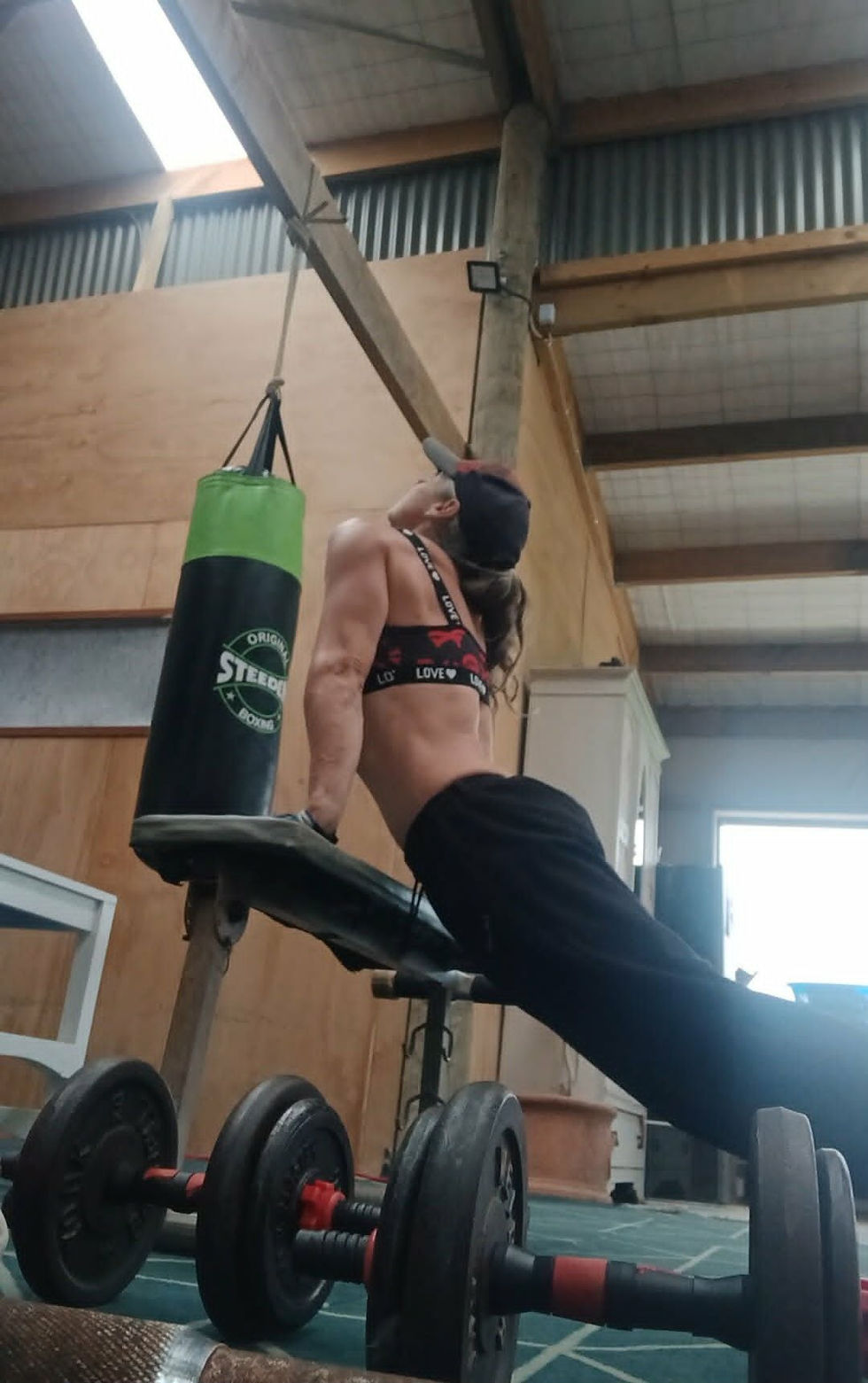
Stress and tension can sometimes leave us breathing predominantly through the upper chest. Exploring 360-degree breathing can bring awareness back to movement through the diaphragm and rib cage. Place your hands around your lower ribs and, as you inhale gently, feel the ribs expanding not only forward but sideways and slightly toward your back. On the exhale, feel them naturally return.
There is no need to force the stomach outward or try to fill yourself with as much air as possible. Think expansion rather than inflation. This can be particularly useful lying on your back, in child's pose, during stretching or while slowly moving through a mobility flow. Sometimes feeling the ribs move underneath our hands gives us much more useful feedback than simply being told to “take a deep breath.”
Adding sound through humming
The exhale can also be combined with sound. Take a comfortable breath in and hum gently as you breathe out, noticing the vibration through your lips, face, throat or chest. Humming naturally requires us to control the outgoing breath, often extending the exhalation without needing to count it. Singing, chanting or even quietly making a prolonged sound can create a similar combination of breath, rhythm and vibration.
For someone who doesn't enjoy formal breathing exercises, this can feel far more natural. Attention moves away from “Am I breathing correctly?” and toward the physical experience of sound and sensation.
When the breath becomes information
Perhaps one of the most useful breathing practices happens outside any formal exercise at all. As our awareness develops, we may begin recognizing that we hold our breath whenever we open our emails, that our breathing becomes shallow when we're rushing, that it changes around a particular person, or that stepping outside causes us to spontaneously take a deeper breath. We may even notice that we sit down to eat while our body is still breathing at the pace of everything we were rushing to finish beforehand.
Those observations can tell us something about how our body is responding to our environment. Instead of immediately correcting the breath, we can become curious about what caused it to change in the first place. When shallow or restricted breathing repeatedly appears during the same parts of our day, the answer may not simply be more breathwork. The pattern itself may be showing us where there is too much rushing, stimulation, pressure or demand.
This is where breathwork becomes more than another nervous-system technique. The breath becomes feedback. We can use it deliberately when we want to influence our state, but we can also listen to it as one of the body's ongoing forms of communication. Over time, recognizing these subtle changes gives us an opportunity to respond earlier — before tension becomes exhaustion, before activation becomes overwhelm and before we've spent hours disconnected from what our body has been trying to communicate.
The breath isn't only something we can change. It's also something we can learn from.
What about tapping?
Emotional Freedom Techniques (EFT), commonly known as tapping, is another interesting way of working with both the mind and body at the same time. It combines focused attention with rhythmic tapping on specific points of the face and upper body. Rather than trying to think our way out of an emotion or physical response, tapping gives us something physical to do while remaining present with what we're experiencing.
This is particularly relevant when we think about the nervous system because emotions aren't experienced only as thoughts. We feel them physically. Anxiety might be felt as tightness through the chest, butterflies in the stomach or restless energy through the body. Stress might show up as a clenched jaw, raised shoulders or shallow breathing. Grief can feel heavy. Anger can bring heat, tension and an urge to move. Our thoughts, emotions and physiology are continually interacting, which is why sometimes telling ourselves to “calm down” simply isn't enough.
Tapping brings several things together at once: touch, rhythm, focused attention, breathing, language and body awareness. Research into EFT has found promising effects for stress and anxiety, and there is growing interest in how the different elements of the practice influence emotional and physiological responses. We don't yet understand every mechanism involved, but that doesn't take away from the value of becoming curious about how our own body responds.
A traditional EFT practice usually begins by identifying what is present and noticing where or how strongly we feel it. But I also think the language we use matters. We don't have to repeatedly reinforce “I'm stressed, I'm anxious, I'm overwhelmed.” We can acknowledge what is genuinely there while also introducing language that creates possibility.
For example, while tapping gently on the side of the hand, you might say:
“I can feel the tension I'm carrying, and I'm giving myself permission to soften.”
Or: “My body has been carrying a lot. Right now, I can slow down, breathe and give myself some space.”
Then move gently through the common tapping points — the eyebrow, side of the eye, under the eye, under the nose, chin, collarbone, under the arm and top of the head. As you tap, your words can become simpler: “softening,” “creating space,” “I can take my time,” “I am present,” or whatever feels genuine for you.
The important word there is genuine. Regulation isn't about convincing ourselves of something we don't believe. If your body feels highly activated, repeating “I'm completely calm” may feel disconnected from your actual experience. Language such as “I can give myself a little more space right now” acknowledges where you are while gently opening the door to something different.
After a round or two, stop and notice your body. Has your breathing changed? What do you notice through your chest, stomach, shoulders or jaw? Do you feel warmer, softer, more present, more emotional, or perhaps no different at all? There isn't a response you're supposed to manufacture. The noticing itself develops awareness.
And perhaps that's where tapping fits so beautifully into nervous-system regulation. It's not simply about trying to make an uncomfortable feeling disappear. It's another way of staying connected with ourselves while we're experiencing something — bringing the mind and body into the same conversation and creating space for a different response.
Rather than “How do I get rid of this feeling?” the practice can become, “How can I meet myself here and create a little more space for what I want to feel?”

Sometimes regulation isn't about calming down
One of the misunderstandings around nervous-system regulation is the idea that a “regulated” person should always feel calm, relaxed and peaceful. But that isn't how a healthy nervous system is designed to function. Regulation is not the absence of activation; it is the capacity to respond appropriately to what is happening and to move between activation, engagement and restoration as our needs and environment change.
There are times when sympathetic activation is exactly what we need. It gives us the energy to exercise, concentrate, respond quickly, speak up, solve problems and take action. If something genuinely requires our attention, we don't want our nervous system trying to keep us completely relaxed. Equally, once that demand has passed, we need the capacity to move toward processes that support restoration and recovery. The difficulty isn't activation itself; it is when we lose flexibility and become stuck in patterns that no longer match what the present moment requires.
For some people, prolonged stress can show up as obvious activation. Thoughts race, muscles remain tense, breathing becomes quicker or shallower, concentration becomes difficult and small demands can begin to feel disproportionately irritating or overwhelming. Sleep can become particularly frustrating because we may be physically exhausted while still feeling internally alert — the familiar experience of being “tired but wired.”
When we're already carrying a high level of activation, adding more stimulation may simply add to the load. Reducing sensory input, stepping away from constant demands or choosing one of the slower practices we've already explored can provide an opportunity to downshift. The purpose isn't to force ourselves to become calm. It is to recognize the state we're in and reduce the amount of demand being added to it.
But stress doesn't always look like too much energy. At other times we can feel flat, heavy, disconnected or withdrawn. Motivation may disappear, thinking can feel foggy and things that normally bring enjoyment can require much more effort. Someone experiencing this doesn't necessarily need another instruction to slow down; they may already feel slowed down.
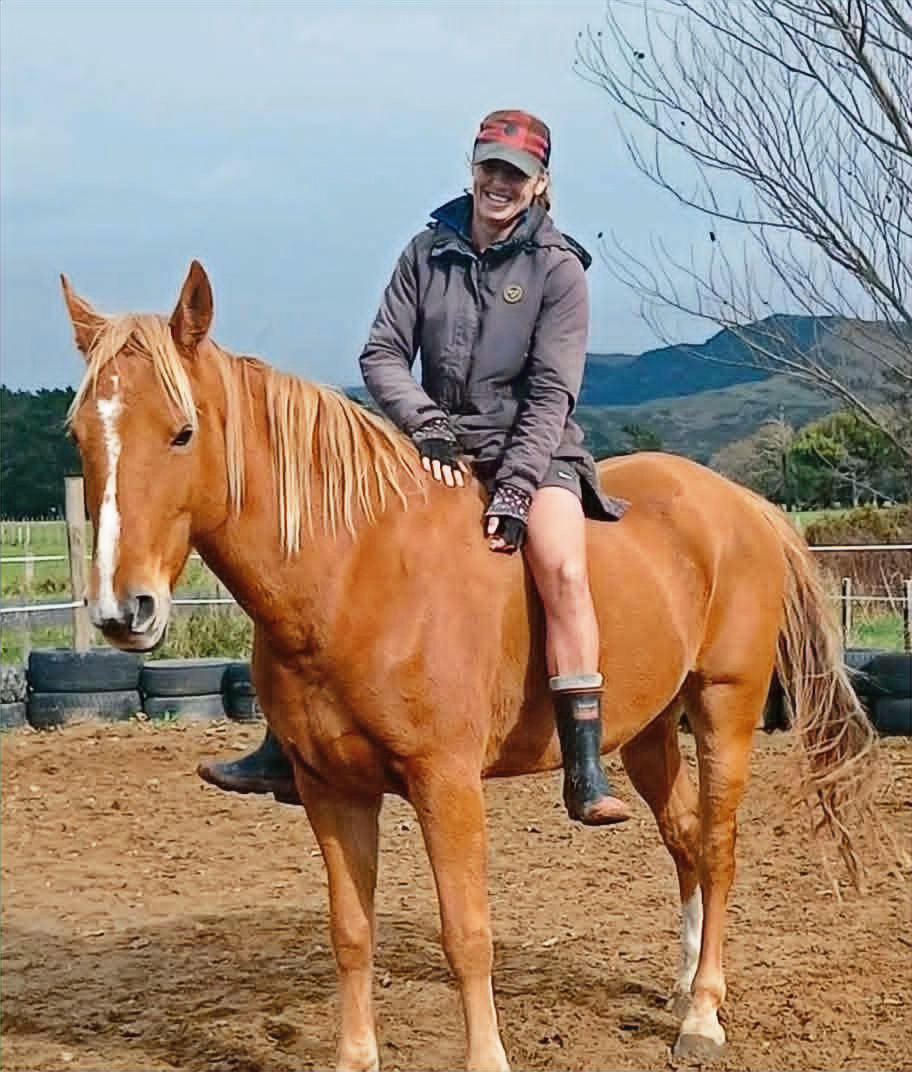
In these moments, gentle activation and engagement may be more appropriate than further calming. Natural light, getting outside, music, movement, changing our environment, completing something manageable or connecting with someone we feel comfortable around can introduce more energy and engagement. The aim isn't to override exhaustion or force productivity. It is to understand that regulation can sometimes involve carefully increasing activation rather than continually trying to decrease it.
This distinction is important because it changes the question from “How do I calm myself down?” to “What does my current state actually need?” Sometimes the answer may be less stimulation and greater opportunity to recover. At another time, it may be movement, connection, sensory input or engagement with the world around us. The same strategy won't necessarily be appropriate every time because our physiological state isn't the same every time.
There is another important distinction: not every uncomfortable state is a nervous-system problem requiring a regulation technique. Low energy may reflect inadequate sleep or recovery. Irritability can be intensified by hunger. Shakiness can accompany too much caffeine or insufficient food. Dehydration can affect how we feel physically and mentally. Significant physical training, demanding work and emotional load all require resources and recovery. Persistent fatigue, significant mood changes or unexplained physical symptoms can also have medical causes and shouldn't automatically be attributed to “nervous-system dysregulation.”
This is where nervous-system education can become useful rather than restrictive. Instead of interpreting every sensation through the same lens, we begin considering context. What has the body been doing? What resources has it had available? What demands has it been responding to? What happened before the change in state? Sometimes a regulation practice may be useful, while at other times the information we're receiving points toward a basic physiological need or something happening within our environment.

This also prevents nervous-system regulation from becoming another form of self-monitoring in which every shift in mood, energy or sensation has to be corrected. Human physiology naturally changes throughout the day. We become alert and tired, focused and distracted, social and quiet, hungry and satisfied, energized and ready for sleep. Variation isn't dysregulation. A flexible system is supposed to change.
The deeper skill is developing enough awareness to recognize when a response is useful and proportionate to what is happening, when we're having difficulty shifting after the demand has passed, and when our current state is giving us information about something we may need to address. Regulation becomes less about controlling how we feel and more about developing range, adaptability and choice.
Over time, we can begin distinguishing between activation that gives us useful energy and activation that is becoming overwhelming; between genuine restoration and withdrawing from life; between needing encouragement to engage and genuinely needing recovery. We can also become more comfortable with the fact that not every uncomfortable emotion or physical sensation needs to disappear immediately.
That is regulation: not forcing ourselves into calm, but developing enough awareness and flexibility to meet ourselves where we actually are.
Mindfulness: noticing before reacting
Mindfulness fits beautifully into nervous-system regulation because mindfulness is much more than meditation or sitting quietly with our eyes closed. At its foundation, mindfulness is awareness — the ability to notice what is happening within us and around us while it is actually happening, rather than moving through our day entirely on automatic pilot.
Much of human behavior is automatic, and for good reason. Our brains are constantly predicting, learning and creating patterns so we don't have to consciously think through every action. But under stress, some of those automatic patterns can become very noticeable. We might reach for our phone whenever we feel uncomfortable, pour another coffee when what we really need is rest, become reactive in a conversation before recognizing how activated we are, eat without noticing hunger or fullness, or continue pushing ourselves long after our body has started signaling fatigue.
Mindfulness creates an opportunity to notice those signals before the automatic response completely takes over. We might become aware that our breathing has changed during a difficult conversation, that our jaw has tightened while reading an email, or that our heart rate has increased and our thoughts are speeding up. That moment of recognition doesn't necessarily make the sensation disappear, nor is that the purpose. It gives us information and creates a little more space to choose how we respond.
This is where mindfulness, somatic awareness and nervous-system regulation begin to overlap. Mindfulness helps us notice our thoughts, emotions and surroundings, while somatic awareness brings attention to what we're experiencing physically — tension, warmth, pressure, breathing, heartbeat, movement or sensations within the gut. Together, they can strengthen our ability to recognize our internal state in real time rather than only realizing later that we were overwhelmed, disconnected or running on empty.
And mindfulness doesn't always have to mean going inward. Sometimes looking outward is exactly what we need. When we're caught in racing thoughts or intense internal sensations, deliberately orienting ourselves to the environment can bring our attention back into the present moment. Look around slowly and actually take in where you are. Notice shapes, colors and light. Allow your eyes to settle on something in the distance. Listen for the closest sound you can hear and then something farther away. Feel your feet connecting with the ground or the weight of your body being supported by the chair beneath you. Notice the temperature of the air against your skin.
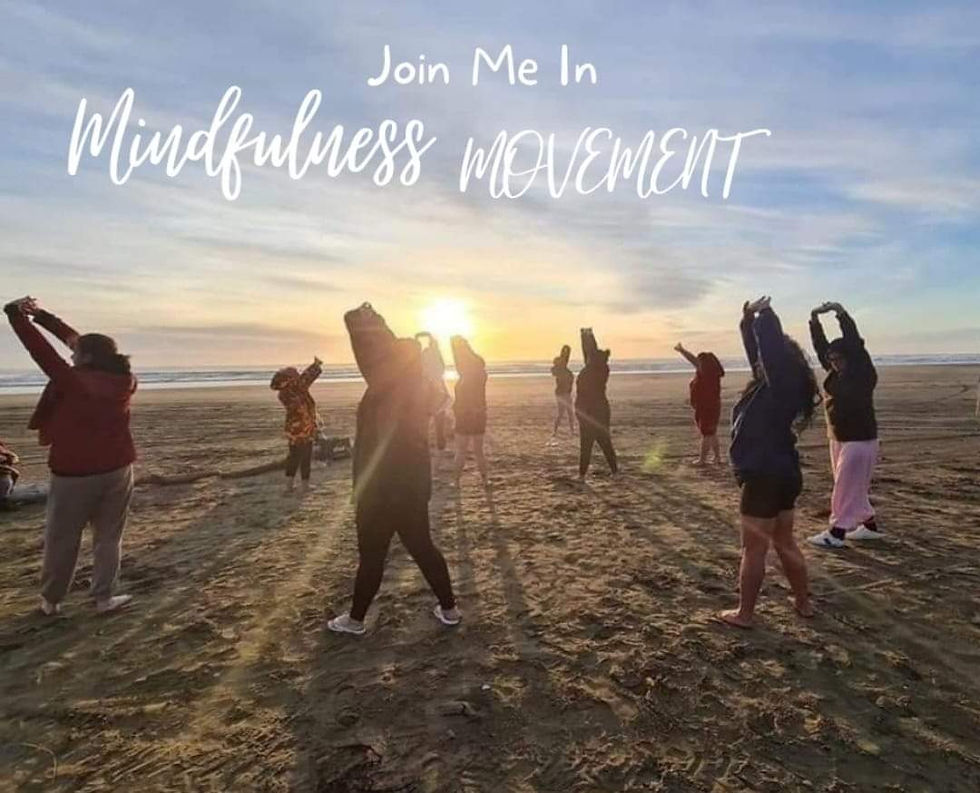
You can also combine this with movement. Take a slow walk and deliberately notice the sensation of each foot meeting the ground, the movement of your arms, your breathing and what you can see and hear around you. In nature, this might mean feeling the wind, listening to birds, noticing the movement of trees or simply looking toward the horizon. The practice isn't about trying desperately to become calm. It is about bringing your attention back to what is actually happening here and now.
Over time, mindfulness can also reveal patterns. We begin noticing what happens in our body around particular situations, people or environments. We recognize when we're beginning to rush, when we're holding our breath, when we're becoming overstimulated or when we've stopped listening to hunger, fatigue or the need for space. That awareness can become the point at which we make a different choice — perhaps slowing down, moving, breathing, eating, resting, establishing a boundary or simply allowing ourselves a moment before responding.
This is why mindfulness can be such a practical part of nervous-system regulation. We cannot respond to signals we haven't learned to recognize. The more familiar we become with our own internal language, the earlier we're able to notice when something is changing and the greater opportunity we have to respond intentionally rather than automatically.
Sometimes regulation isn't about escaping what we're feeling or immediately trying to change it. Sometimes it begins with being present enough to recognize: this is what I'm experiencing, this is what my body is communicating, and this is where I am right now.
Regulation is also about the life we're creating
And this might be the deepest layer of nervous-system regulation. We can practice breathing, mindfulness, tapping, grounding and somatic exercises, and all of these can be valuable tools. But regulation doesn't happen separately from the life we're living. Our nervous system is responding not only to what happened years ago or to an occasional stressful event; it is continually responding and adapting to the conditions we experience every day.

When we're continually rushing, sleeping too little, under-nourishing ourselves, overtraining, carrying too much responsibility, surrounded by constant stimulation or remaining available to everybody else, the body is receiving information from that environment. The same is true when relationships repeatedly leave us tense or depleted, when our boundaries are continually crossed, when we're working without adequate recovery, or when we've become so accustomed to pushing through exhaustion that we barely recognize it anymore. We can become very skilled at functioning under pressure without realizing how much physiological and emotional load we're carrying.
This is why nervous-system regulation can't simply become another set of techniques we squeeze into an already overloaded day. Five minutes of breathing can be incredibly useful, but it can't replace sleep. Meditation doesn't provide the energy that adequate nourishment does. A grounding exercise can't create a boundary we're unwilling to establish. Somatic movement can change how we feel in a moment, but it can't remove an environment that repeatedly makes us feel unsafe, depleted or overwhelmed. The tools matter, but so do the conditions we're asking our nervous system to live within.
Sometimes the signals we're trying so hard to regulate are actually communicating something worth listening to. Persistent exhaustion may be asking for recovery rather than another push. Irritability may appear when we've had too little space for too long. Digestive changes may become more noticeable during periods of sustained stress. Feeling constantly “wired” may reflect a life with very few genuine opportunities to downshift. And sometimes the discomfort we feel around a person, environment or situation deserves curiosity rather than immediately being treated as something within ourselves that needs fixing.
This is where nervous-system awareness becomes more than symptom management. Instead of automatically overriding what we feel, we can begin noticing patterns. We may recognize that we're calmer when we spend time outside, that our digestion changes when we're rushing, that our sleep deteriorates when we're constantly connected to our phones, or that certain commitments leave us depleted long after they're finished. These observations give us information about the relationship between how we're living and how we're feeling.

Sometimes regulation therefore looks surprisingly ordinary. It can mean eating enough to meet the demands we're placing on our body, prioritizing sleep, taking a recovery day before we're completely exhausted, getting outside, reducing unnecessary stimulation or putting the phone away. It can mean asking for support rather than carrying everything ourselves. It can mean protecting our time, saying no without writing an essay to justify it, or stepping away from relationships and environments that repeatedly cost us our peace.
And there is another piece that can be surprisingly difficult: learning simply to be. In a culture that continually rewards productivity, achievement and availability, slowing down can initially feel uncomfortable. If we've spent years measuring a good day by how much we accomplished, rest can feel unproductive. Quiet can feel unfamiliar. We may sit down and immediately reach for our phone, start planning tomorrow or find another job that “needs” doing. Yet learning to experience moments where nothing is being demanded from us can become part of teaching the nervous system that we don't always have to be preparing for what comes next.
This doesn't mean creating a stress-free life. That isn't realistic, nor would it necessarily be desirable. Life will contain challenge, responsibility, loss, uncertainty, excitement and periods when more is required of us. The aim is not to remove every demand; it is to create enough capacity, recovery and flexibility that those demands don't become our permanent state.
That changes nervous-system regulation from something we practice into something we live. Breathwork, mindfulness, movement and somatic tools still have an important place, but they sit within a much bigger picture: how we nourish ourselves, how we recover, what we tolerate, where we place our energy, the boundaries we create, the relationships we choose, the environments we spend time in and whether the life we're building actually supports the WellBEing we're trying to create.
Perhaps some of the most meaningful regulation happens when we stop asking our body to continually adapt to something that we already know needs to change.
You are not hardwired to stay where you are
You are not hardwired to stay where you are
Perhaps that's the message I want women to take away most.
Our nervous system has been learning and adapting throughout our lives. The responses we've developed didn't appear from nowhere. They were shaped through experience, relationships, environments, challenges, repetition and the ways we've learned to move through the world. But shaped does not mean fixed.
Understanding the nervous system gives us an opportunity to relate to ourselves differently. Instead of seeing every uncomfortable response as something that needs to be suppressed, controlled or fixed, we can become curious about what our body is communicating. We can recognize patterns without allowing those patterns to define what is possible for us.
And perhaps that is where awareness becomes genuinely empowering. We begin to recognize what depletes us and what restores us. We notice where we're continually overriding ourselves and where something needs to change. We become more intentional about the conditions we're creating around us and the experiences we're repeatedly giving our body.
None of this requires perfection. Life will still activate us. There will still be stress, uncertainty, difficult emotions and periods when more is required of us. Regulation isn't about escaping any of that. It's about developing a greater capacity to move through life's different states without believing we have to remain stuck in any one of them.
Our history will always be part of us, but it doesn't have to be the only information our nervous system has available. We are still experiencing. Still adapting. Still learning.
Because while the body remembers, it can also experience something new. And when those new experiences happen consistently enough, they too become part of what the brain and nervous system know.
Maybe that is what regulation is ultimately about: not fixing the body, but learning its language, listening to what it is communicating, and creating the conditions in which we can continue to adapt, recover and thrive.
Want to Understand Your Nervous System and Learn to Feel Safe Again?
Experience some of this rather than just read about it
Join My Monthly FREE Reset runs inside the Unleashed Wellness Community for women.
Over three days we'll move beyond simply talking about stress and explore breath, movement, nutrition, mindfulness, somatic awareness and everyday WellBEing.
Because when we understand why our body responds the way it does, we can start learning how to work with it differently.



Comments