Discover why building muscle matters more than losing weight during perimenopause. Learn how body composition, strength and lifestyle support healthy ageing.
Updated: Jul 21
Flipping the Script on Perimenopause
Why Building Muscle Changed My Health More Than Losing Weight Ever Could
"The scales can tell us how much we weigh. They can't tell us how healthy we are."
The Message That Changed My Thinking
A couple of years ago, I spoke with my doctor about navigating perimenopause and whether hormone replacement therapy (HRT) might be an option for me.
Because of my family history, it wasn't recommended.
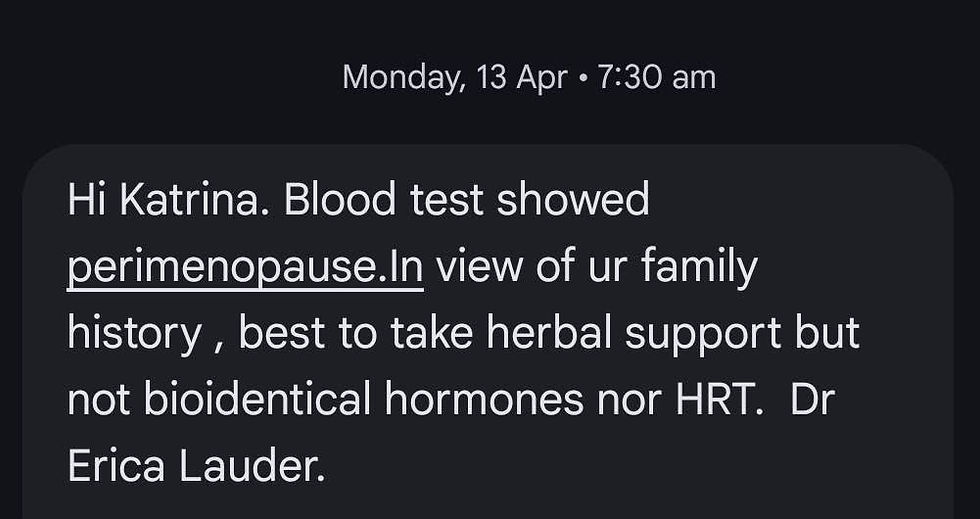
Initially, I felt disappointed. Like many women, I'd heard about the potential benefits of HRT. When I realised it wasn't the right path for me, I had a choice to make. I could spend my energy focusing on what I couldn't change. Or I could focus on what I could.
That conversation changed far more than my approach to perimenopause.
It changed my mindset. Instead of asking, "How do I stop my body from changing?"
I started asking,v"How do I support my body through these changes in the best way possible?"
That question became the foundation for everything that followed.
Perimenopause Is Not a Personal Failure
Perimenopause is a natural transition, yet many women experience it feeling confused, frustrated and as though their body has suddenly started working against them.
As oestrogen declines, physiological changes begin to occur.
Muscle mass gradually decreases through a process known as sarcopenia.
Body fat is more likely to accumulate around the abdomen.
Bone density begins to decline.
Metabolism may slow.
Insulin resistance can increase.
Recovery from exercise often takes longer.
None of these changes mean you've become lazy.
They don't mean you've lost your motivation.
They don't mean you've failed.
They are common physiological changes—not personal failures.
Understanding that was incredibly empowering because it replaced guilt with knowledge.

Knowledge creates choice. And choice creates opportunity.
Rather than fighting our bodies, we can begin learning how to work with them.
Knowledge replaces fear. Understanding replaces self-blame.
I Focused on What I Could Influence, I couldn't control my hormones.
But I could influence how I responded to them.
I chose to build strength rather than simply lose weight.
I prioritised protein and whole foods to nourish my body rather than restrict it.
I began treating sleep as an essential part of recovery rather than something to squeeze in.
I learnt that stress management wasn't a luxury—it was part of the plan.
And perhaps most importantly... I stopped chasing perfection.
I focused on consistency. Because healthy ageing isn't built through one perfect workout. Or one perfect meal. Or one perfect week.
It's built through small decisions repeated over months and years.
Looking back, that's where the real transformation happened.
Two Years Later: What My Body Composition Scans Revealed
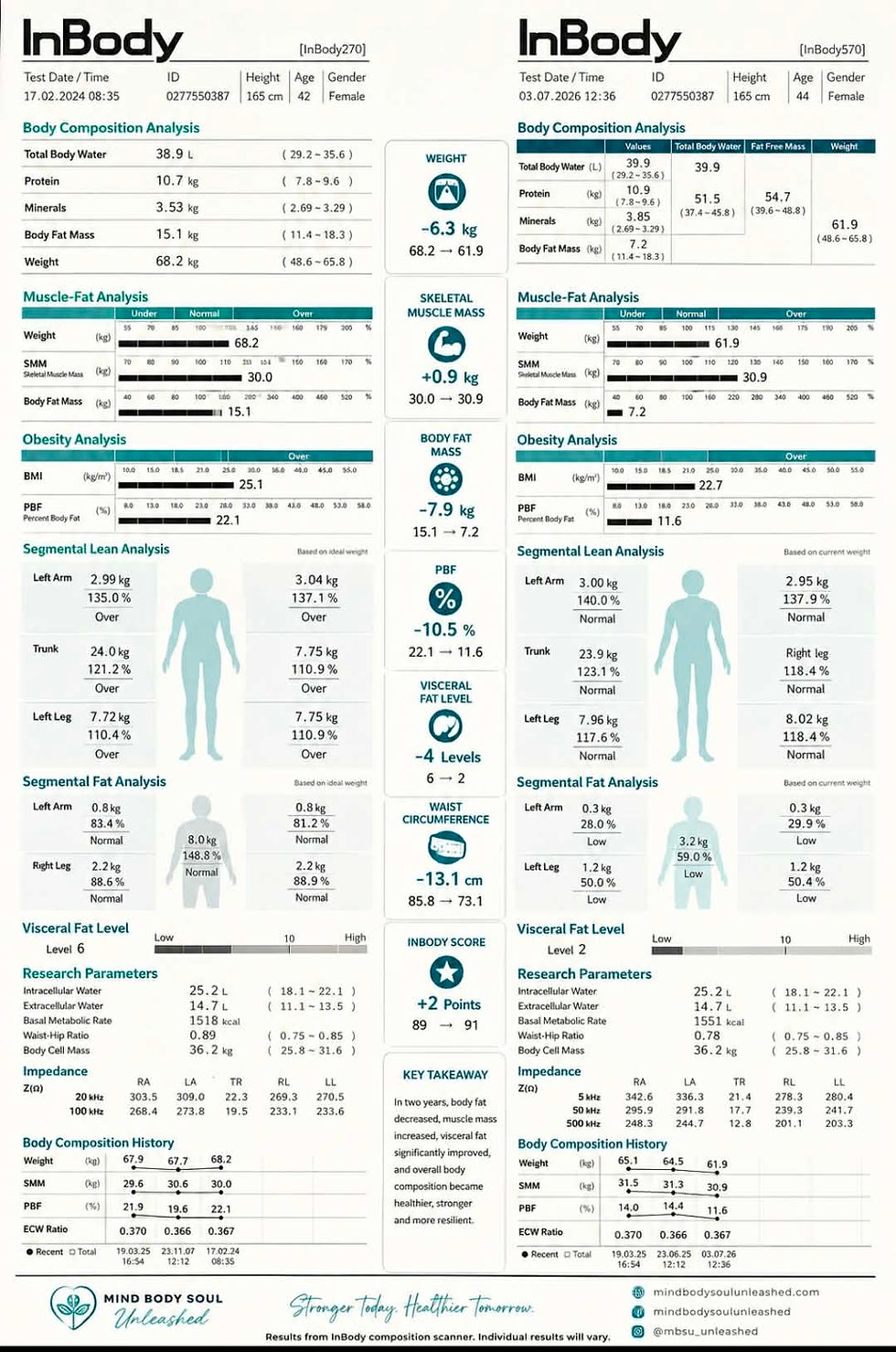
When I compared my body composition scans two years apart, the most meaningful changes weren't on the scales.
They were beneath them.
I had lost almost 8 kilograms of body fat while increasing my skeletal muscle mass to 30.9 kg. That matters because during perimenopause, many women experience the opposite—losing muscle while gaining body fat.

My protein and mineral mass also increased, suggesting I had maintained and built quality lean tissue rather than simply becoming a lighter version of myself.
My trunk fat reduced from 8.0 kg to 3.2 kg, and my waist reduced by almost 13 centimetres. This wasn't simply an aesthetic change.
It reflected a significant improvement in metabolic health.
Perhaps one of the most meaningful changes was my visceral fat, which reduced from Level 6 to Level 2. Unlike the fat we can see, visceral fat surrounds our internal organs and is strongly associated with an increased risk of cardiovascular disease, insulin resistance and type 2 diabetes.
Reducing that risk is about far more than appearance.
It's about protecting long-term health.
Weight Loss and Body Composition Are Not the Same Thing
This may be one of the biggest misconceptions in health and fitness.
The scales tell us only one thing.
Our total body weight.
They don't tell us whether we've lost muscle or body fat.
They don't tell us whether we've improved our metabolic health.
They don't tell us where fat is being stored.
Body composition tells a much richer story.
It measures skeletal muscle. Body fat. Visceral fat. Lean tissue. Fat distribution.
Two women can weigh exactly the same yet have completely different body compositions and very different health outcomes.
That's why I believe we need to stop making the scales the headline.
Because the real story is often happening underneath.

Why Muscle Matters More Than Ever After 40
Muscle is one of the greatest investments we can make as we age.
It supports stronger bones.
Helps regulate blood glucose.
Improves insulin sensitivity.
Supports a healthier metabolism.
Reduces the risk of falls.
Maintains independence.
Improves quality of life.
Muscle isn't just about lifting heavier weights.
It's about being able to lift your grandchildren.
Carry groceries.
Work on the farm.
Travel.
Get up off the floor with confidence. Continue living life on your terms. That's why preserving muscle deserves far more attention than simply losing weight.
My Biggest Lesson
Looking back...I didn't just lose weight. I changed my body composition.
Those are two very different goals. One focuses on becoming lighter.
The other focuses on becoming healthier. Stronger. More resilient.
For me, that's what transformation truly means.
This Isn't About Looking Like Me
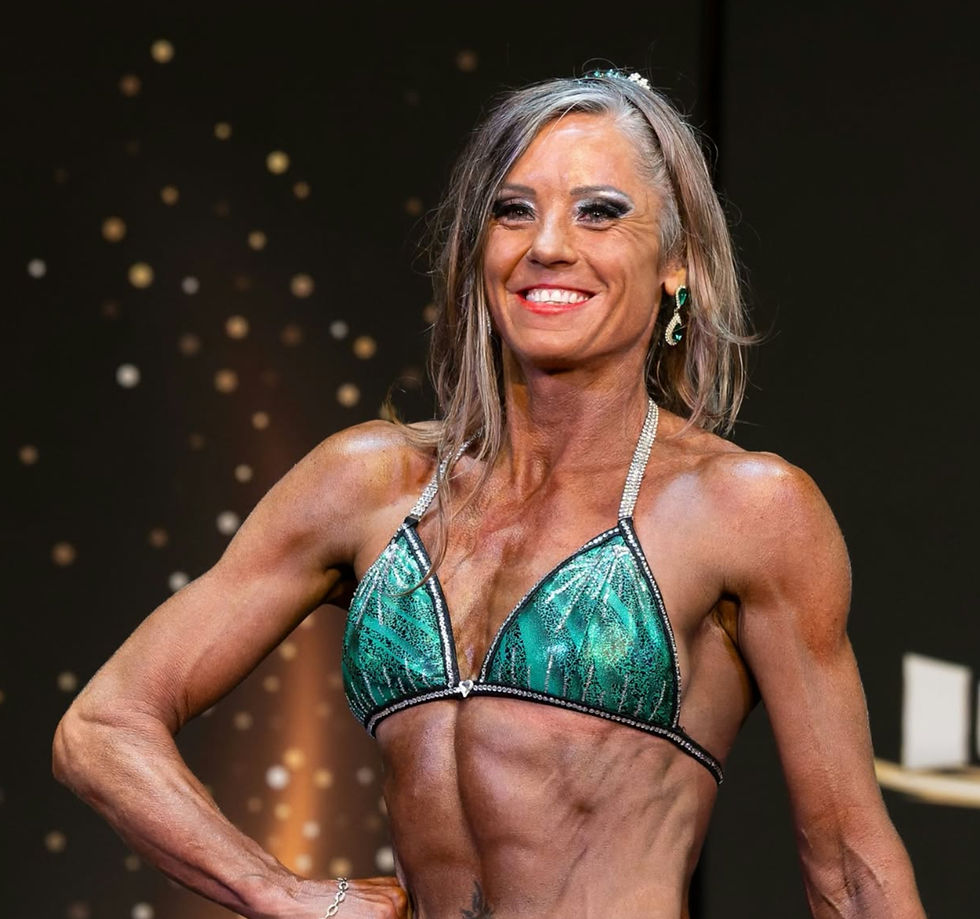
I want to make something very clear. My goal isn't for every woman to become a bodybuilder. Stepping on stage is simply a personal challenge I've chosen.
What I do hope is that more women begin to understand the incredible value of building muscle, improving body composition and supporting metabolic health.
Because those things improve far more than how we look.
They influence how we feel.
How we move.
How we age.
And ultimately, how we live.
Healthy ageing isn't reserved for athletes.
It's available to all of us.

Healthy Ageing Is an Investment
Ageing is inevitable.
How we support our bodies through that journey is something we can influence.
Healthy ageing isn't about turning back the clock. It's about giving ourselves the best opportunity to stay strong, capable and independent for as long as possible.
The past two years have taught me that transformation isn't built through extremes. It's built through small decisions made consistently over time.

Strength training.
Good nutrition.
Quality sleep.
Managing stress.
Prioritising recovery.
Showing up. Again and again.
Because growth isn't built overnight.
It's built through consistency, patience and a willingness to keep showing up—especially when it's uncomfortable.
That's where real transformation begins.
And perhaps the greatest lesson of all...
Healthy ageing isn't about trying to become younger.
It's about becoming stronger, wiser and more capable for the years still to come.

Comments