How Childhood Trauma Shapes the Brain and Why Healing Is Possible
Updated: Jul 21
Trauma Isn't Just a Memory: How Adverse Childhood Experiences Can Shape the Developing Brain
"What's wrong with me?"
It's a question many people living with the effects of childhood trauma quietly ask themselves. But perhaps we've been asking the wrong question all along.
A more compassionate—and evidence-informed—question is: "What happened to me?"
Understanding the impact of Adverse Childhood Experiences (ACEs) allows us to move beyond blame and judgement. It helps us recognise that many behaviours, emotions and coping strategies make sense when viewed through the lens of survival. Rather than asking why someone struggles, we begin to understand the experiences that shaped them and, more importantly, recognise that healing is possible.
What are Adverse Childhood Experiences?
Adverse Childhood Experiences, commonly known as ACEs, refer to potentially traumatic events that occur before the age of 18. These experiences may include physical, emotional or sexual abuse, physical or emotional neglect, exposure to domestic violence, household substance misuse, mental illness within the family, parental separation, incarceration of a caregiver, or growing up in an environment characterised by chronic fear, instability or conflict.
The landmark ACE Study, conducted by Dr Vincent Felitti and Dr Robert Anda in the 1990s, demonstrated a strong relationship between childhood adversity and health across the lifespan. The study found that as the number of adverse childhood experiences increased, so too did the risk of developing a wide range of physical, psychological and social difficulties in adulthood. Since then, decades of research have reinforced these findings while also highlighting an equally important message: adversity increases risk, but it does not determine a person's future. Healing, resilience and recovery remain entirely possible.

The Developing Brain
A child's brain is not fully developed.
In fact, the brain continues developing well into early adulthood, with the prefrontal cortex—the region responsible for planning, emotional regulation, judgement, impulse control and decision-making—among the last areas to mature.
During childhood, the brain is remarkably adaptable. Every experience, relationship and interaction helps shape the neural pathways that influence how a child thinks, feels and responds to the world. Safe, nurturing environments promote healthy brain development by strengthening the networks involved in learning, emotional regulation, problem-solving, empathy and resilience.
However, when a child experiences ongoing stress, neglect or trauma, the brain adapts differently.
Instead of focusing primarily on learning, exploration and connection, it prioritises survival.
Repeated activation of the body's stress response system increases the release of hormones such as cortisol and adrenaline. While these hormones are essential for responding to immediate danger, prolonged activation during critical stages of development can influence the architecture of the developing brain. Brain regions involved in threat detection may become more reactive, while areas responsible for executive functioning, emotional regulation and reasoning may have fewer opportunities to develop optimally.
This is not because the child is "broken" or incapable. It is because the brain is doing exactly what it was designed to do—adapt to the environment in order to maximise survival.
Survival Wasn't a Choice
When we experience trauma, our nervous system automatically responds.
Most people are familiar with the concepts of fight or flight, yet trauma responses also include freezing and fawning. These responses are not conscious decisions; they are automatic biological survival mechanisms designed to protect us from perceived danger.
For a child living in an unpredictable or unsafe environment, these responses may become deeply embedded because they increase the likelihood of survival. Hypervigilance, emotional withdrawal, people-pleasing, shutting down or becoming highly reactive often develop as adaptive responses to chronic stress.
What once helped someone survive childhood may later interfere with relationships, education, employment and everyday life. Yet these behaviours are frequently misunderstood, criticised or labelled without recognising the purpose they once served.
Why We Need More Compassion
One of the greatest misunderstandings surrounding trauma is the assumption that everyone begins life from the same starting point.
We often expect both the child and the adult they become to regulate their emotions, trust others, communicate effectively, concentrate at school, build healthy relationships and navigate life's challenges as though they were raised in safe, nurturing and emotionally supportive environments.
But not everyone was.
It is like expecting someone to sit an examination they were never taught how to prepare for and then criticising them for not achieving the same result.
Understanding the impact of childhood adversity does not remove personal responsibility. Rather, it provides context. When we understand the science behind trauma, we become less likely to judge behaviours at face value and more likely to recognise the experiences that shaped them. Compassion and accountability can exist together.

Trauma Affects More Than Mental Health
Trauma is not stored solely as a memory.
It influences the brain, the nervous system and, ultimately, the body.
Research has demonstrated associations between higher ACE scores and an increased risk of anxiety, depression, substance misuse, cardiovascular disease, type 2 diabetes, obesity, chronic pain, autoimmune conditions, sleep disturbances and reduced life expectancy. Chronic activation of the stress response can also influence immune function, hormonal regulation, inflammation and the gut-brain axis, illustrating the profound connection between psychological experiences and physical health.
Trauma may also affect attachment, self-worth, confidence, emotional regulation and a person's ability to feel safe in relationships. Many coping strategies that develop following trauma—including emotional eating, perfectionism, avoidance or substance use—often begin as attempts to reduce distress or regain a sense of control.
These are not simply character flaws.
More often, they are adaptive survival responses that once served an important purpose.
Protective Factors and Hope
Although ACEs increase risk, they do not determine destiny.
Research consistently shows that protective factors can significantly reduce the long-term effects of childhood adversity. A safe and supportive relationship with even one caring adult can profoundly influence a child's development. Positive school environments, strong community connections, healthy relationships, access to healthcare and opportunities to develop resilience all help buffer the effects of chronic stress.

This is an important reminder that people are far more than their past experiences.
Human beings possess an extraordinary capacity for growth, adaptation and healing.
Healing Is Possible
One of the most encouraging discoveries in neuroscience is the concept of neuroplasticity—the brain's lifelong ability to adapt by forming new neural connections in response to experience.
For many years it was believed that the brain became relatively fixed after childhood. We now know this is not the case.
Although trauma may influence early brain development, repeated positive experiences can strengthen healthier neural pathways throughout life. Safe relationships, trauma-informed therapy, mindfulness, movement, strength training, quality nutrition, restorative sleep, time in nature and practices that regulate the nervous system all contribute to this process.
Healing does not erase the past.
It does not pretend painful experiences never happened.
What it does offer is the opportunity to respond differently, build resilience and create a future that is no longer defined solely by survival.

A Mind, Body and Soul Approach
This understanding is one of the reasons I created MindBodySoul-Unleashed.
Throughout my career in social work, health and wellbeing coaching, and through my own lived experiences, I have seen that lasting change rarely occurs when we focus on only one aspect of a person's wellbeing.
Our thoughts influence our bodies.
Our bodies influence our emotions.
Our nervous system shapes how we experience the world.
True healing requires us to recognise these connections. It is not simply about changing behaviours or developing more willpower. It is about understanding the story behind those behaviours, creating safety within ourselves and supporting the brain, body and nervous system to heal together.
Final Thoughts
Healing is not about pretending the past did not happen. It is about understanding how those experiences shaped us while recognising they do not have to define the rest of our lives. When we understand the science behind trauma, we stop asking, "What's wrong with you?"
Instead, we ask, "What happened to you?"
And perhaps the most important question of all: "What do you need now?"
Perhaps the answer isn't more self-criticism.
Perhaps it isn't more blame, shame or guilt.
Perhaps it isn't continuing to carry the weight of emotions that were never yours to bear.
Perhaps it's acceptance.
Acceptance of what happened.
Acceptance that your brain and nervous system adapted in the best way they could to help you survive.
Acceptance that your thoughts, emotions and behaviours developed within the context of your experiences.
From acceptance comes understanding.
From understanding comes kindness.
From kindness comes compassion.
And through compassion, healing begins.
The science tells us that although childhood adversity can influence brain development, our brains retain an extraordinary capacity to change throughout life. Through neuroplasticity, supportive relationships, movement, mindfulness, nourishing food, restorative sleep, time in nature and practices that help regulate the nervous system, we can strengthen new neural pathways that support resilience, emotional regulation and wellbeing.
Healing isn't about becoming the person you might have been if trauma had never happened.

It's about embracing the person you are today with greater understanding, accepting that your past helped shape you but does not have to define you, and recognising your remarkable capacity to continue growing throughout life.
You are not broken.
You are not weak.
You are not your ACE score.
You are not your trauma.
You are not the survival strategies that once protected you.
You are a human being whose brain and body adapted in extraordinary ways to survive. And just as they learned to survive, they also possess the incredible capacity to heal.

So be gentle with yourself.
Choose acceptance over judgement.
Choose kindness over criticism.
Choose compassion over shame.
Choose hope over fear.
Because while trauma may be part of your story, it doesn't have to define the rest of it.
Every small step you take towards understanding yourself is a step towards healing. And perhaps one day, you'll look back and realise that what once felt like the end of your story was simply the beginning of a new chapter—one built on resilience, growth, connection and hope.
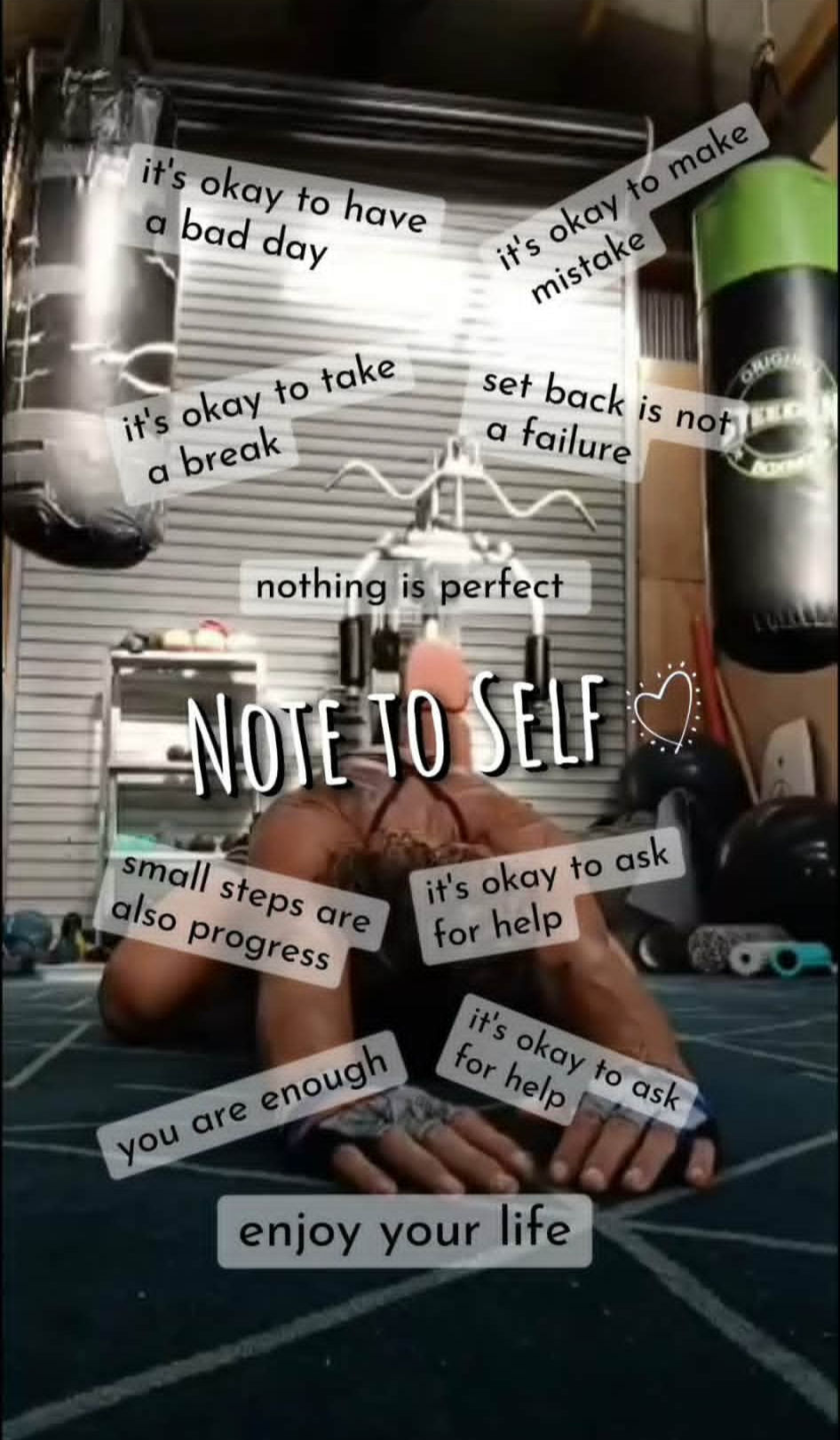
Healing isn't just about understanding the science—it's also about learning to speak to ourselves with greater kindness and compassion.
If this article resonated with you, I invite you to watch this short video. It's a gentle reminder that healing isn't about perfection. It's about taking one small step at a time and remembering that you are enough, exactly where you are today.
🎥 Watch: How Childhood Trauma Shapes Us | Healing After ACEs & A Note to Self

Take a moment to reflect...
• What part of this article resonated most with you?
• What survival strategies have helped you through difficult times?
• What is one small act of kindness you can show yourself today?
Remember, healing doesn't require perfection. It begins with awareness, self-compassion and one small step at a time ✨️✨️✨️



Comments