After seven head injuries and neurological rehabilitation
Updated: Jul 21
Discover how mindfulness, nature and nervous system regulation transformed my recovery and wellbeing.
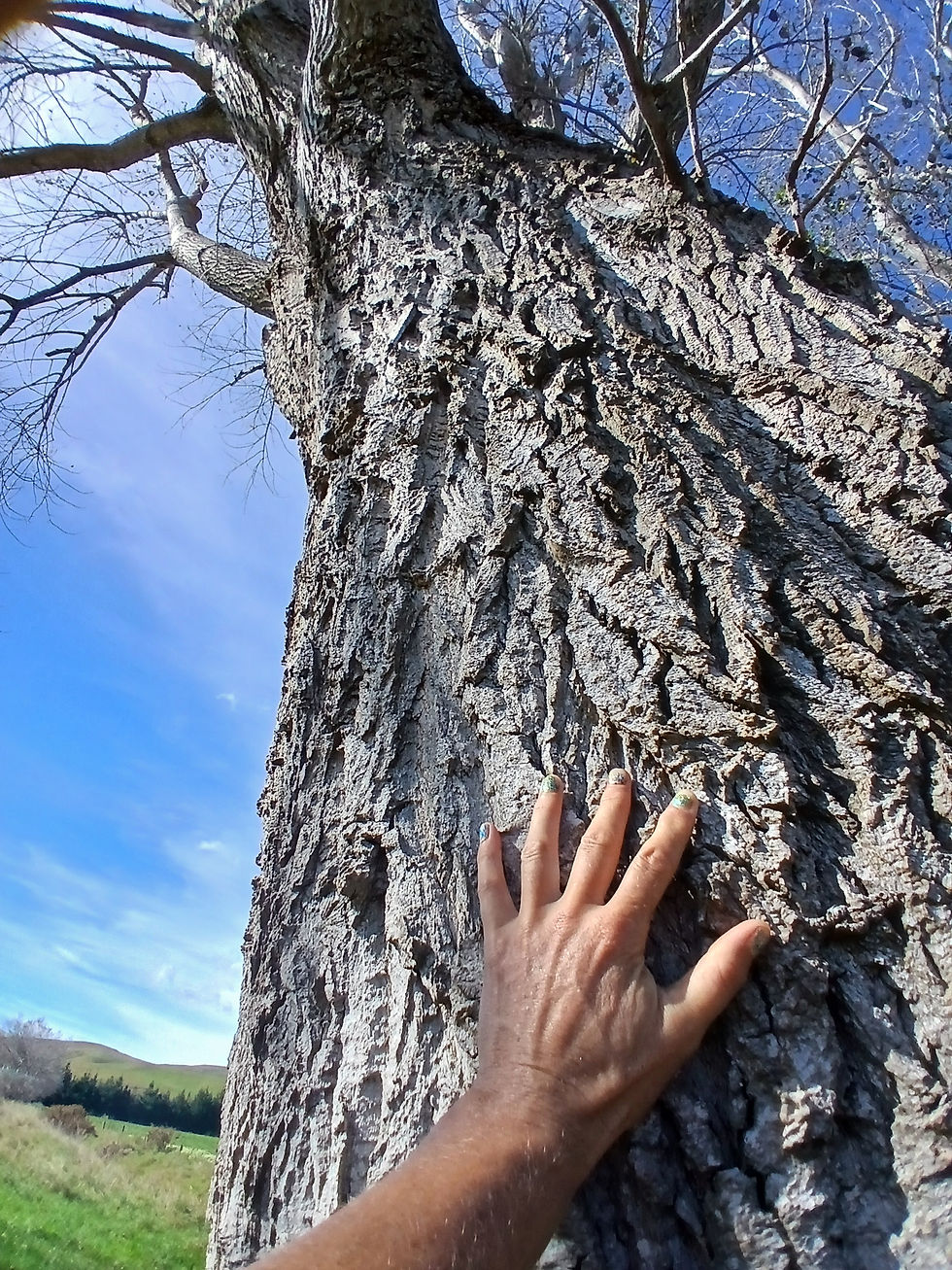
Fifteen years ago, a memory popped up on Facebook.
Looking at the photo brought back more than the accident itself. It reminded me of how little I understood about the journey that was about to unfold.
After being hit by a car while riding my motorbike, I fractured my skull and spent five to six months in a rigid neck brace. Recovery wasn't measured in weeks; it became months of adapting to a body and brain that no longer worked the way they once had. Independence disappeared almost overnight. Everyday tasks became frustratingly difficult, and life as I knew it came to a standstill.
That injury was only one chapter of a much bigger story.
Over the years, I've experienced around seven head injuries, with two requiring neurological rehabilitation because I simply wasn't okay. Traumatic brain injuries don't always leave obvious scars, yet they can quietly change almost every aspect of daily life. Some days there was only enough cognitive energy to complete one or two simple tasks before my brain became exhausted. Bright lights felt unbearable. Vertigo made the world feel unstable. Nausea lingered for months, while compression headaches often left me unable to think clearly.
It was a strange contradiction. On the outside I often looked fine, yet inside my brain was working incredibly hard just to process the world around me.
For someone who had always been independent, driven and constantly on the go, those limitations were confronting. Recovery wasn't simply about patience; it was about grieving the loss of the person I thought I was while learning to accept the person I had become.
Perhaps one of the greatest ironies was that, before all of this, I'd spent years working in mental health in Wellington supporting people through crisis. I understood trauma. I understood resilience. I understood recovery plans.
Yet becoming the person who needed rehabilitation taught me something that no university qualification or professional experience ever could.
There is an enormous difference between knowing about healing and having to live it.
The Wellness Plan That Helped Me Rebuild My Life
When your brain refuses to cooperate, there is no shortcut.
Pushing harder doesn't work.
Ignoring the symptoms doesn't work.
Pretending you're okay certainly doesn't work.
Somewhere during that journey, I realised I needed to stop fighting my body and start listening to it.
Drawing on everything I'd learnt through my career in mental health, I began creating my own wellness plan—not something complicated, but something sustainable enough to support me every single day.
The principles were surprisingly simple.
Do more of what was good for me.
Do less of what wasn't.
Understand my triggers instead of constantly pushing through them.
Protect my energy instead of giving it away. Become mindful of what my nervous system needed rather than what society expected of me. Looking back, those principles sound almost obvious, yet they completely challenged the way I'd been living.

Like so many people, I'd measured success by how much I could get done. Productivity had become a measure of self-worth. Slowing down felt uncomfortable because it challenged the belief that being busy meant being valuable. Recovery changed that perspective. Instead of asking, "How much can I achieve today?" the question slowly became, "What does my body need today?"
Some days that meant movement.
Some days it meant complete rest.
Some days it simply meant accepting that one meaningful task was enough.
Far from making me weaker, those small acts of self-awareness became the foundation upon which everything else was rebuilt.

What Nature Taught Me About Healing
After my second-to-last head injury, another lesson emerged.
Healing wasn't only about rehabilitation appointments, symptom management or waiting for time to pass.
It was also about creating an environment where my brain could finally feel safe.
For the first time in my life, I consciously stepped away from the constant pressure to achieve. Society teaches us to keep moving, keep producing and keep proving ourselves. Recovery demanded the opposite.
Nature became a sanctuary.
Hours were spent sitting quietly among the trees, watching the seasons change, listening to frequency music, meditating and allowing myself to simply be.
At first, stillness was uncomfortable.
Growing up, I'd become very good at staying busy. Looking back, I realise much of that busyness was a way of avoiding painful experiences from my past. If I kept moving, I didn't have to sit with difficult emotions. I didn't have to feel the hurt, the fear or the sadness that had quietly travelled alongside me for years.
Yet healing has a way of asking us to slow down long enough to face what we've spent a lifetime avoiding. Little by little, meditation stopped being something I did and became a way of living. Time in nature stopped feeling like an escape and became a place of connection. The more present I became, the more beauty I noticed.

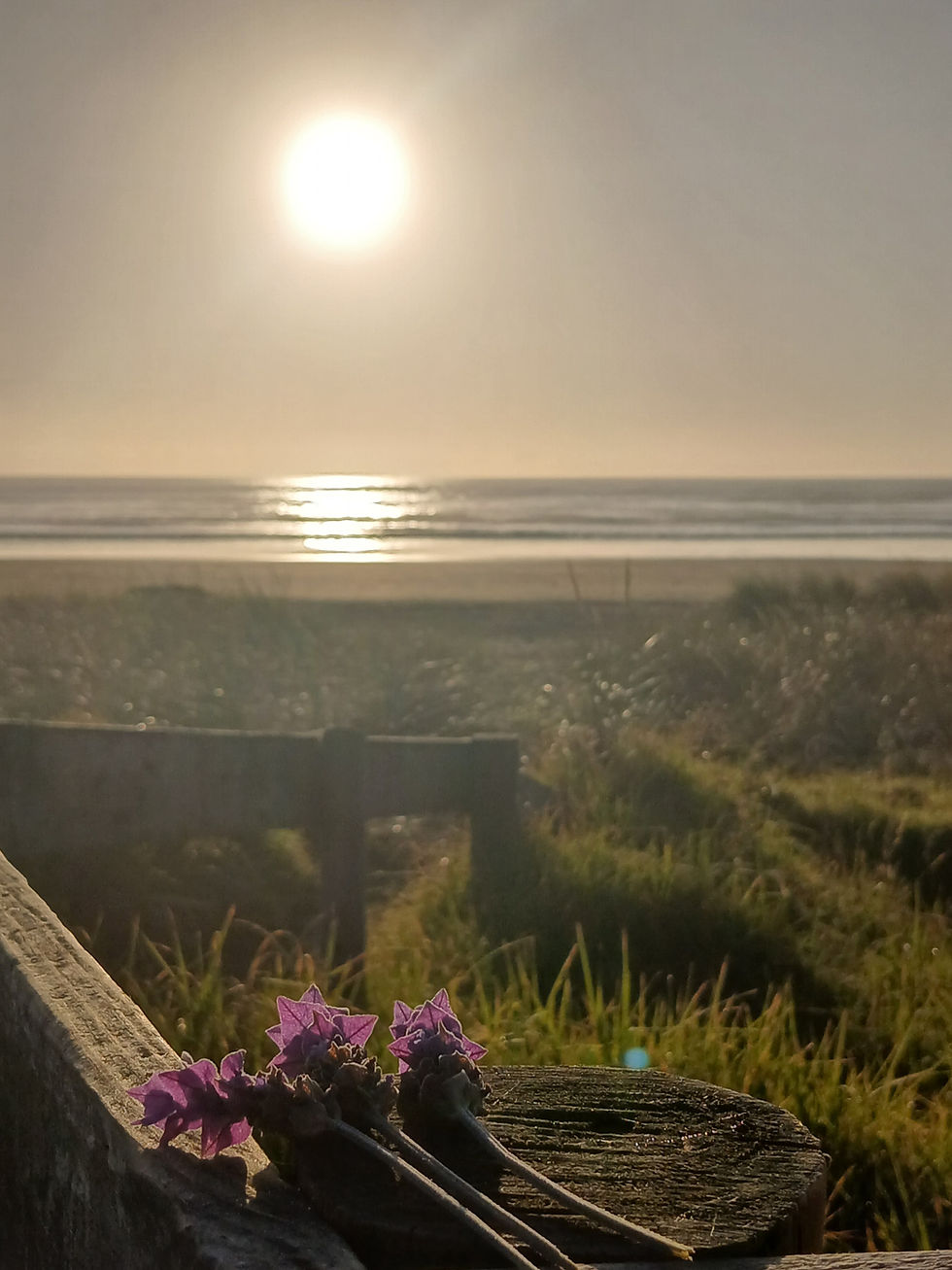
Flowers gently following the sun across the sky.
Spider webs glistening with morning dew.
The rhythm of birdsong.
The breeze moving through the trees.
None of those things were new.
I'd simply never slowed down enough to notice them.
Those moments humbled me.
For the first time, it felt as though I could truly see the world around me, and perhaps more importantly, truly see myself.
As I learnt to stop running from my past, something remarkable happened.
The rage softened.
The fear eased.
The hurt slowly lost its grip.
Healing wasn't just happening within my brain.
It was happening within my heart.
Why Nervous System Regulation Changed Everything
Looking back now, I can see that much of what supported my recovery was also helping regulate my nervous system, even before I fully understood the science behind it.
Modern neuroscience tells us that chronic stress, trauma and prolonged survival mode can profoundly affect both the brain and body.
When the nervous system remains constantly activated, healing becomes much harder. The body isn't designed to thrive while it believes it's under constant threat.
Without consciously labelling it that way, many of the practices that became part of my recovery were gently teaching my nervous system that it was safe again.
Time in nature.
Mindfulness.
Meditation.
Breathwork.
Gentle movement.
Rest without guilt.
Learning to respect my limits rather than constantly overriding them.

These practices weren't a replacement for rehabilitation or medical care, nor would I ever suggest they were. They became companions to my recovery—supporting both my brain and my emotional wellbeing as I gradually rebuilt my life.
That experience fundamentally changed my understanding of health.
Wellness isn't simply about nutrition or exercise. It isn't about chasing perfection or pushing harder.
True wellness is about creating the conditions that allow the mind, body and nervous system to work together.
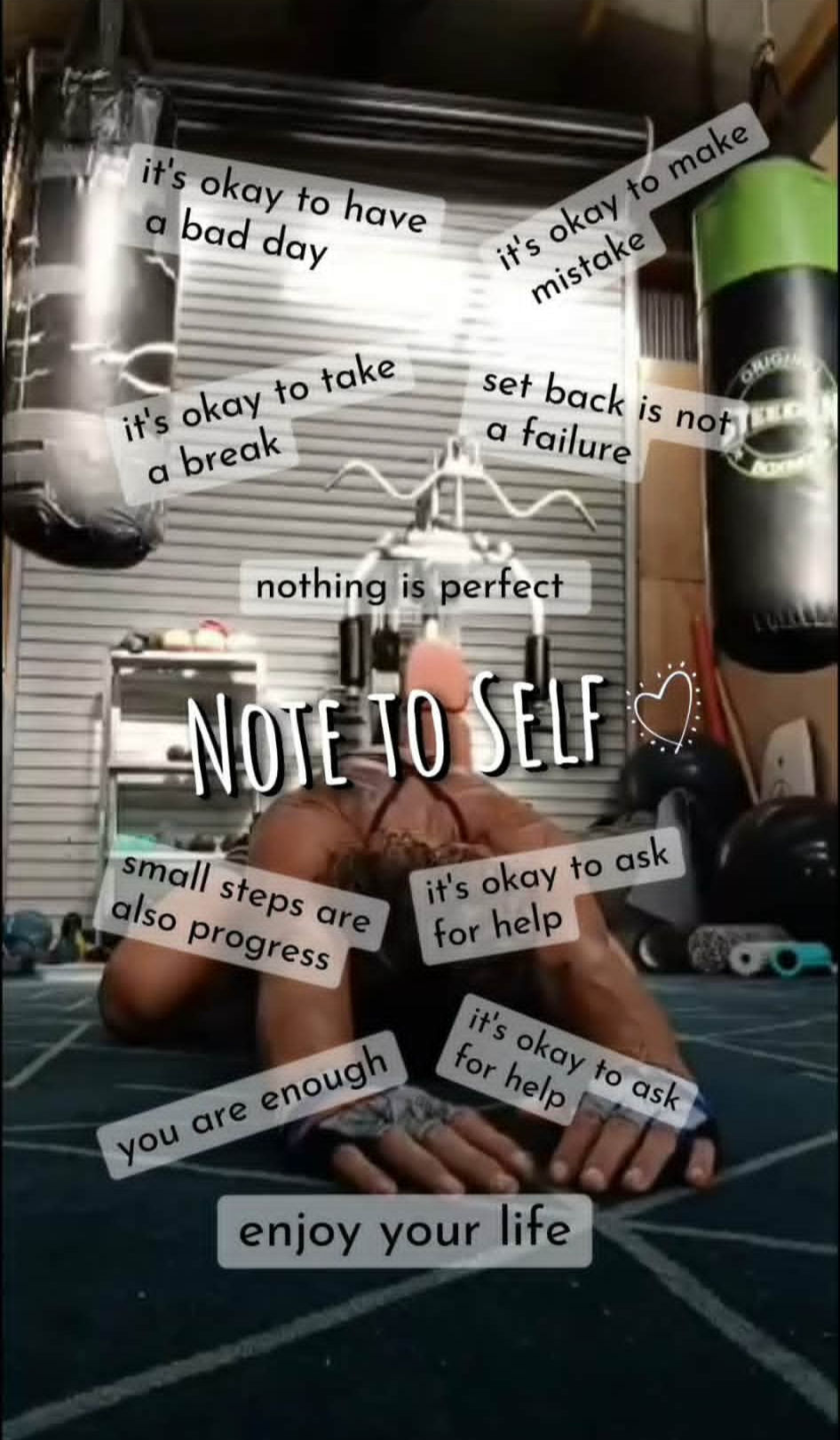
It's about understanding that healing looks different for everyone, and that progress isn't always measured by how much we can do.
Sometimes progress looks like choosing rest.
Sometimes it looks like asking for help.
Sometimes it looks like sitting quietly in nature and noticing the morning dew on a spider's web.
Those experiences didn't just shape my recovery.
They shaped my purpose.
Today, everything I share through MindBodySoul-Unleashed is influenced by those lessons. Movement, mindfulness, nervous system regulation and time in nature aren't concepts I've adopted because they're popular. They're practices that transformed my own life.
Looking back, I wouldn't wish traumatic brain injuries on anyone.
But they taught me lessons that I may never have learnt otherwise.
My brain forced me to slow down.
In doing so, it taught me that healing isn't about returning to the person you once were.
Sometimes it's about becoming someone with deeper compassion, greater self-awareness, stronger boundaries and a profound appreciation for simply being alive.
And perhaps that's the greatest lesson of all. Healing doesn't always give us our old life back.
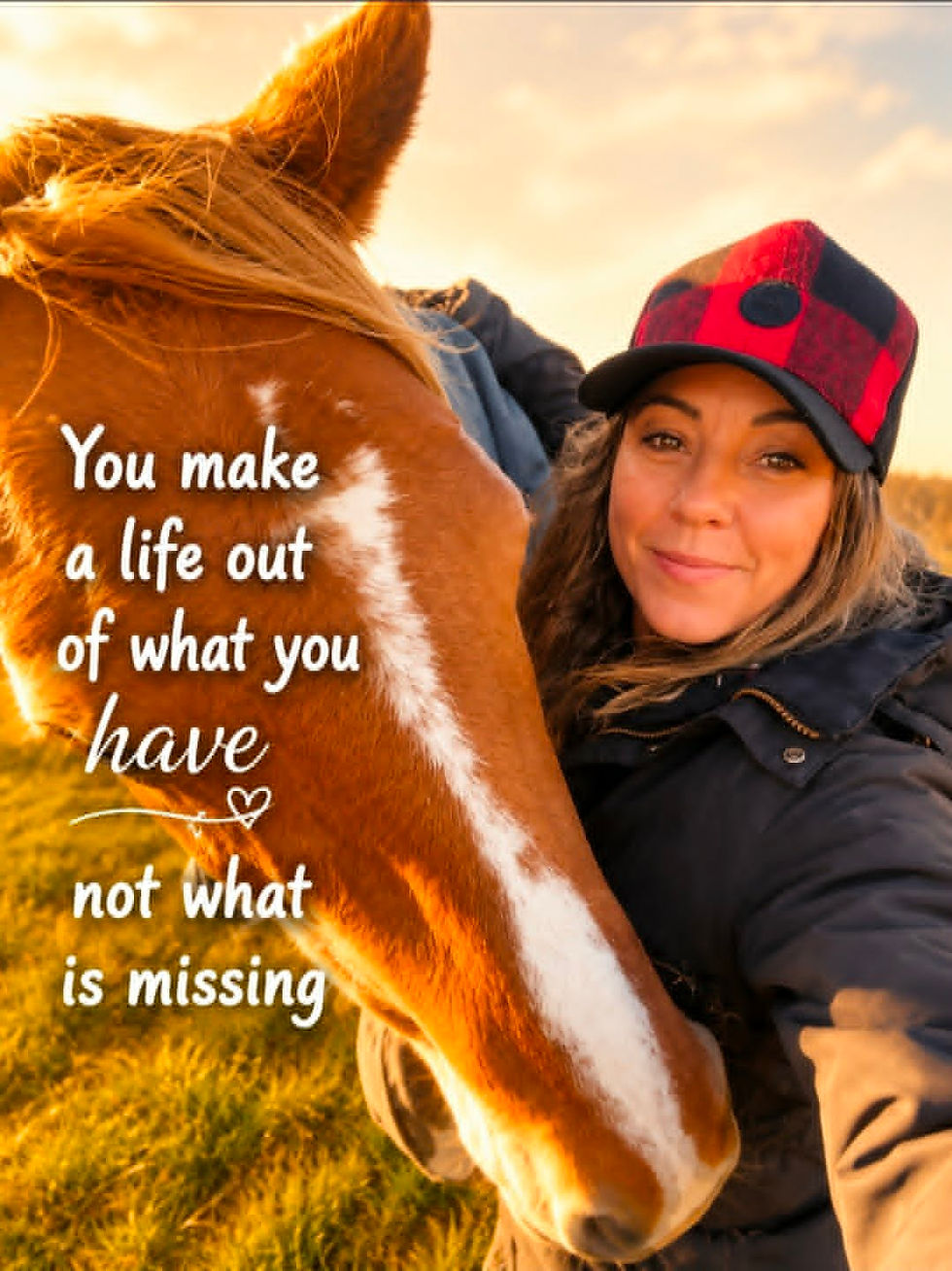
Sometimes it gives us a better way to live the one we have.

Comments