Who Is the System Really Serving? A Call for a Better Future✨️

Who Is the System Really Serving?
I've been sitting with a question that I can't seem to shake.
Who is the system really serving? Because for many people, it no longer feels like it's serving us. We're told we live in a free society, yet almost every part of life comes with a cost.
We pay to earn money. We pay tax on our income. We pay GST when we spend it. We pay rates on land we already own. We pay for permits and consents to make changes to our own property. We pay registration fees. We pay insurance. We pay for healthcare. We pay for education. We pay for food. And in many ways, we even pay when we die.
Meanwhile, wages struggle to keep up with the cost of living. Families work harder than ever just to stay afloat, while feeling like they're constantly running on a treadmill they can never get off.
So I keep asking myself... where is all of this leading? When rates continue to rise, many people expect to see stronger communities, better-maintained infrastructure, and public services that genuinely improve quality of life. Instead, many communities look around and wonder where their money is going.
Our healthcare system is overwhelmed. Mental health services are stretched. Aged care workers, nurses, teachers, social workers and caregivers carry enormous responsibility, yet many remain underpaid, understaffed and emotionally exhausted.

Isn't it strange that some of the people doing the most important work in society are often among the least valued?
If we truly believed that caring for people mattered, wouldn't these professions be some of the most respected and well-supported?
During my years in social work, I met incredible people doing everything they could to help others. I also witnessed something that has stayed with me.
Many of the people struggling weren't lazy. They weren't simply making bad choices. Many were carrying trauma—childhood abuse, neglect, violence, addiction, mental illness, generational poverty, broken relationships, and lives shaped by circumstances most people never see.
Yet too often, our response comes only after someone reaches crisis.
We build systems that manage disadvantage instead of investing enough in preventing it. We ask people to survive instead of helping them truly thrive.
When people fall through the cracks, many end up cycling through emergency departments, addiction services, welfare systems, or the justice system.
Some people absolutely need to be imprisoned to protect the public. But many others enter prison with long histories of trauma, addiction, untreated mental illness, or unstable childhoods. If we only punish without addressing those deeper causes, we shouldn't be surprised when the cycle continues.

I also wonder what kind of messages we're surrounded by every day.
Alcohol outlets are often concentrated in communities already facing significant hardship. Vape stores seem impossible to avoid. Ultra-processed foods that contribute to chronic illness are often cheaper and easier to access than fresh, nutritious food.
Then we wonder why chronic disease is rising and why our healthcare system struggles to cope.
Our education system teaches maths, science and history, all of which have value. But where do we learn emotional intelligence? Healthy relationships? Conflict resolution? Financial literacy? Growing food? Looking after our mental health? Understanding trauma? Finding purpose? Learning how to regulate our emotions?
These are some of the skills that shape the quality of our lives, yet many people leave school without ever being taught them.
At the same time, our attention is constantly pulled towards fear. The news thrives on conflict. Violence dominates entertainment. Social media rewards outrage. Division spreads faster than understanding.
Fear captures attention.
Connection transforms lives.
I'm not writing this because I believe every politician, council, teacher, doctor or public servant is failing. Far from it. Many of them work incredibly hard within systems they didn't design.
This is bigger than blaming individuals.
It's about asking whether we've built systems that truly reflect the kind of society we want to live in.
What if we invested as much in prevention as we do in crisis? What if we valued healing as much as treatment? What if we strengthened families before they fell apart? What if we empowered people instead of simply helping them survive after everything has already gone wrong?
These questions are why I'm choosing to build something different. Not because I think I have all the answers. But because waiting for someone else to create the world I want to live in no longer feels enough.

I want to help create places where people reconnect with nature, learn practical life skills, grow food, and cultivate wellbeing instead of constantly chasing it. Places where healing happens through connection, purpose and community.
Real change may not begin in government buildings. It may begin around kitchen tables, in gardens, in conversations, and in the quiet decision to live differently.
Perhaps the future isn't about waiting for a better system. Perhaps it's about becoming the people who begin building something better. I don't know exactly what the future looks like.
I do know that I want to be part of creating one where people feel seen, valued, healthy and connected. A place where we remember that, before politics, before labels, before opinions... we are human.
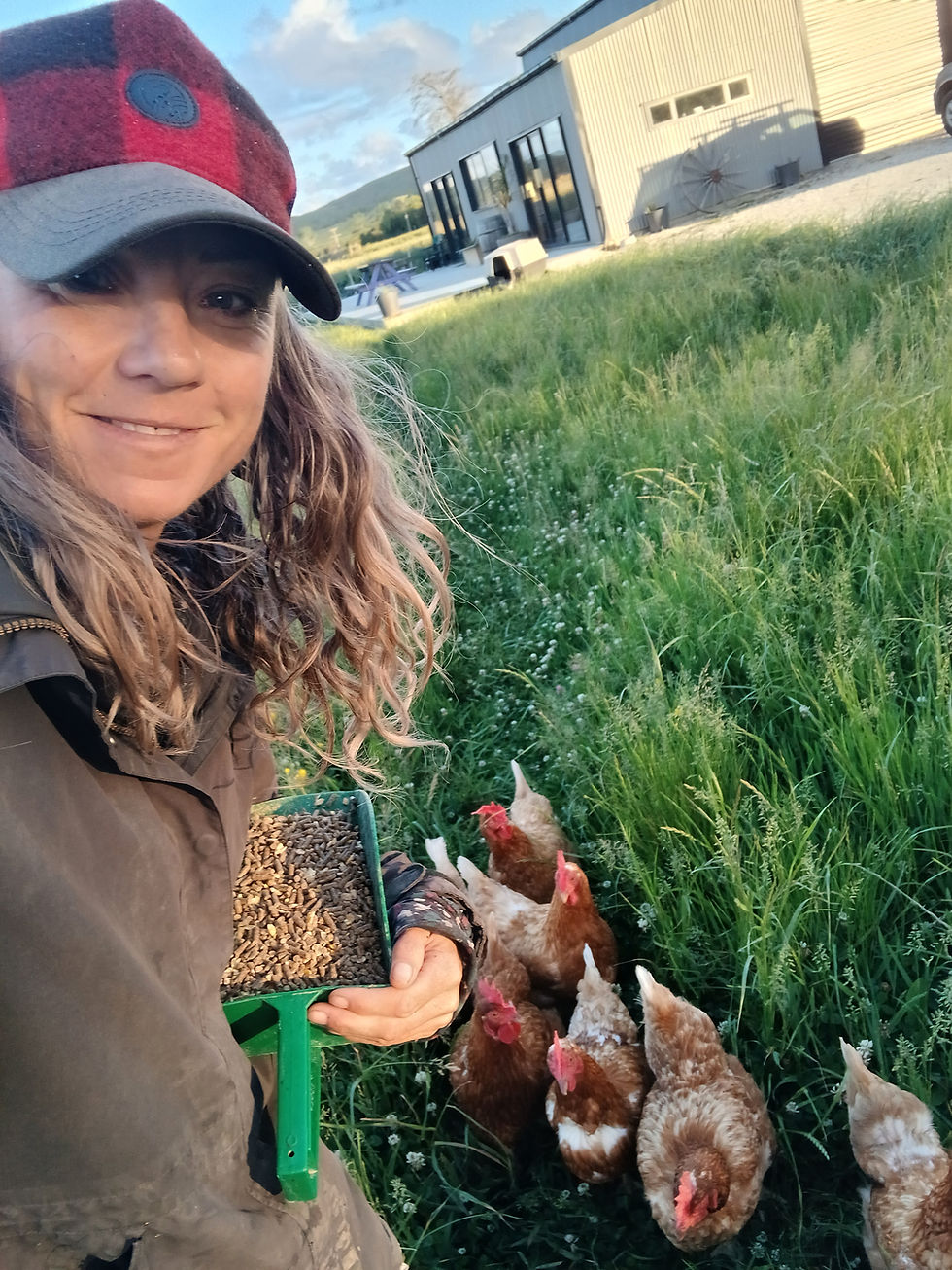
Maybe I can't change the whole system. But I can plant seeds.
Seeds of hope.
Seeds of healing.
Seeds of courage.
Seeds of connection.
And perhaps, one day, those seeds will grow into the kind of world we've all been searching for.
So I'll keep creating.
I'll keep believing.
And I'll keep planting seeds. ✨

Comments